
In May, we entered the last quarter of our tour. All of the storylines — my work, our lives here, and what’s next — started to converge, signaling that the beginning of the end was underway.
I submitted my TMTWO, or request for Permanent Change of Station (PCS) orders, on the last day of May. Almost four weeks later, my TMFOUR (orders) were issued. I was already getting antsy about how much time I had left to make arrangements for flights, pet travel, and our onward housing when the orders finally came through.
But unfortunately for me, I almost immediately needed to request an amendment. I noticed my orders were missing a line item for PCS Lodging, the direct-bill housing program the Department uses for officers in long-term training between overseas assignments.
I needed PCS Lodging included on my orders not only because it was an entitlement on post-to-post travel via home leave and training, but also because V and I had no intention of signing a lease, removing all our furniture from storage, and setting up house for only 11 months. It was one thing to rent our previous house for over three years during a domestic assignment with follow-on long term training. But not wanting to deal with a house hunt, vouchers, and other hassles during such a short stateside stint, we’d decided to hit the easy button and live in a furnished corporate apartment while I’m at FSI.
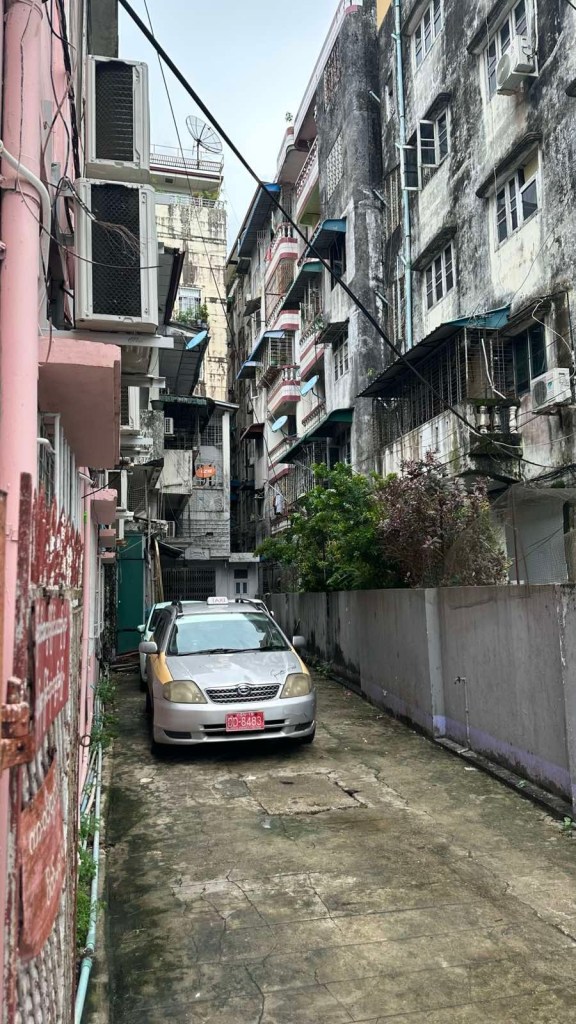
One of the first things I did after receiving my amended orders was start to research where we wanted to live while I’m studying Bosnian. We put in our requests right away but were told we wouldn’t be notified of our new address until approximately two weeks before training started, the day after Labor Day.
This isn’t the first time we’ve gone into PCS Lodging; we were assigned housing in the few days before departing for Tashkent (since I’d been a local hire and living in my own place during A-100, ConGen, and Russian), between Tashkent and Canberra when I had to attend political-economic tradecraft, and between Canberra and Ciudad Juárez when I had to study Spanish. So we knew they weren’t going to confirm which property we were assigned until shortly before moving in, let alone an address and apartment number.
In the same vein, we wouldn’t be able to actually move into the apartment until one day before training started, in this case on a federal holiday!
Cue the usual PCS annoyance of not knowing what address to use to file a USPS Change of Address form, or where to tell the shippers as you pack out of post to send your air freight. “Somewhere in Arlington, probably,” I told an embassy local staff who stood helpfully in my office with a clipboard looking at me and blinking. Ah yes, the first time anyone ever PCS’d in the history of the Department. Between all of that and half the posts in the Middle East being on authorized or ordered departure, government housing in the DC area is in high demand.
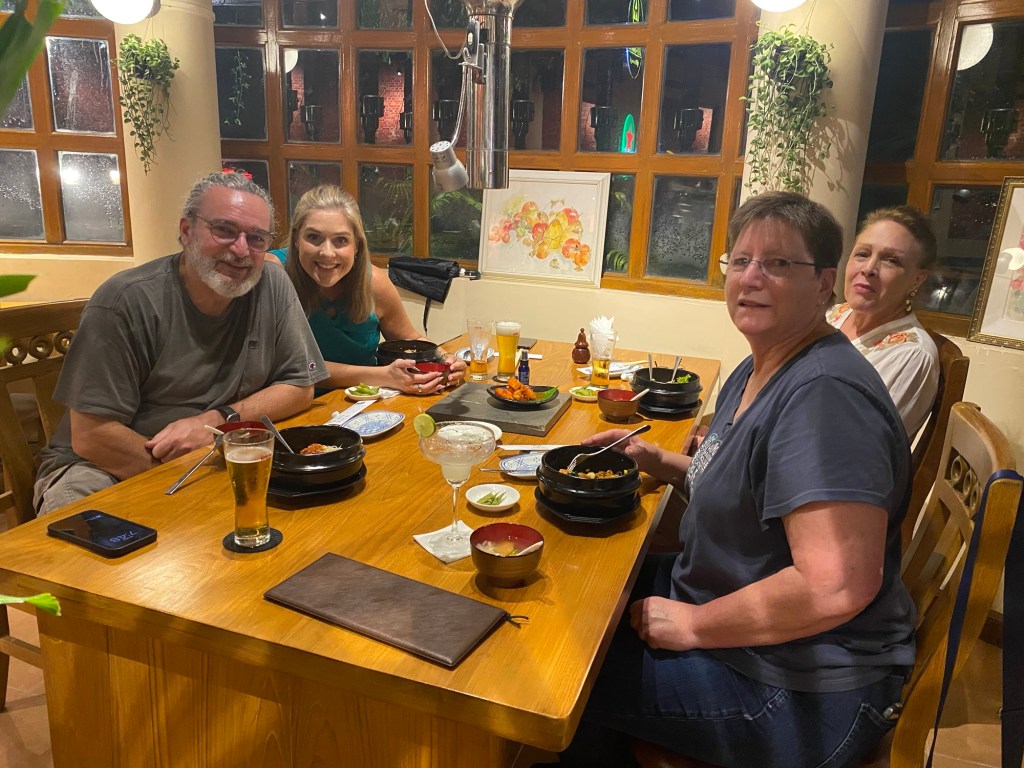
Nevertheless, the arrival of my orders was an exciting development that started to make departing post and all its accompanying administrative tasks feel more real, and more urgent. And it wasn’t like I had a lot of free time to accomplish those tasks, because across May and June I was also juggling covering for my boss’s travel, being busy with casework, and starting to reckon with the end of our tour. At the same time, I was preparing to host visiting family and planning a three-city trip to show them around Burma.
That would finally be my chance to show loved ones from home what our lives are like here. My mom had scrapped her earlier plans for a February visit due to my accident three months before. When we discussed rescheduling it, she expressed hesitation about visiting here at all.
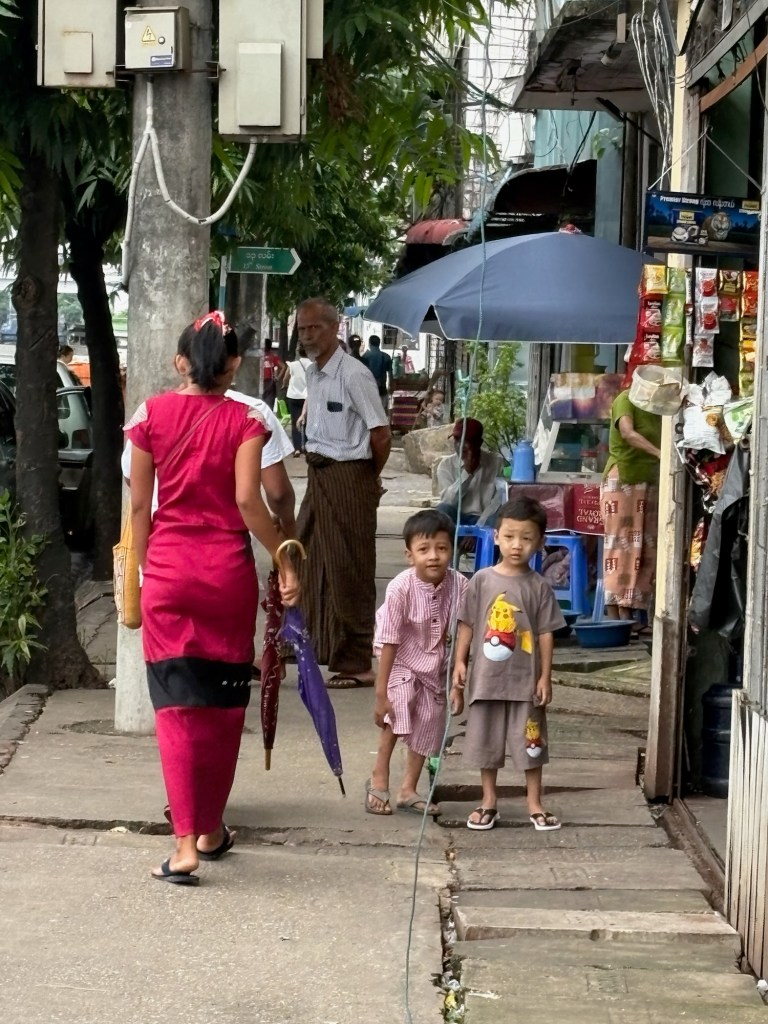
I didn’t blame her for this. Part of me felt the same way. Some of my colleagues even expressed surprise when I returned to post from my hospitalization in Bangkok. “I would have curtailed,” another officer told me flatly. It had barely occurred to me, but I do understand. It hasn’t ended up being as straightforward as I thought it might to grapple with it all, particularly when I initially came back.
But I asked my mom in February whether she would blame Virginia if my accident had happened there. She said of course not, and then we both sat with that for a little while.
If V and I can walk out of our front gate every day and deal with seeing the accident site, we figured that what she was imagining was possibly worse than facing it in real life.
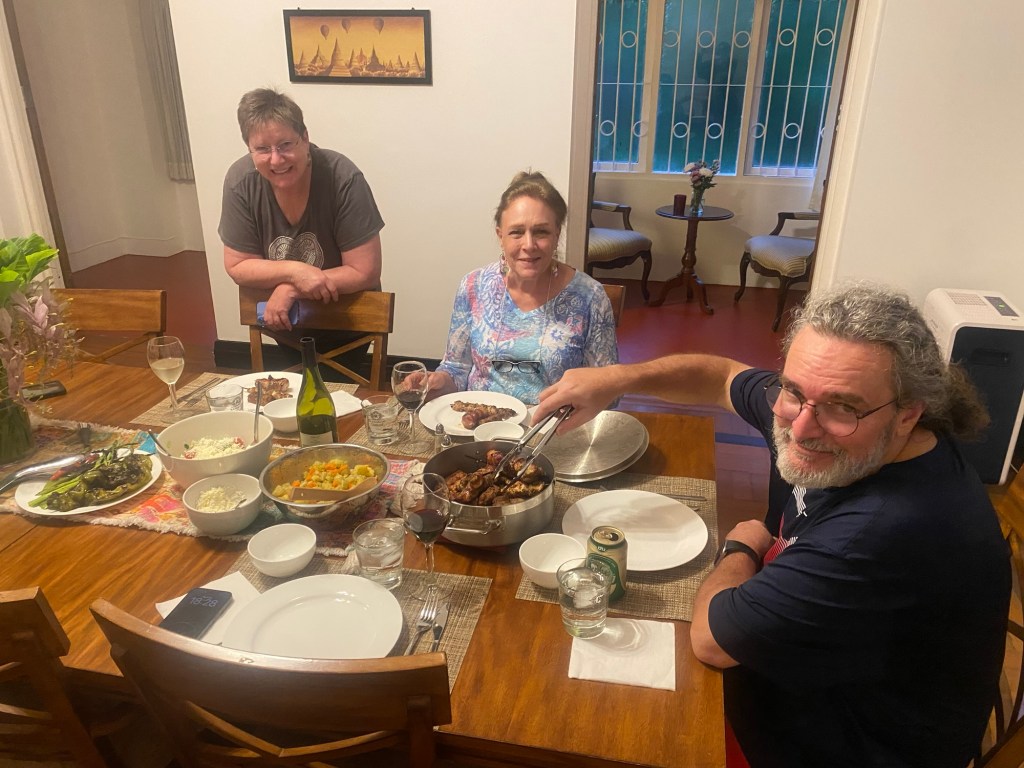
She ultimately decided to come, with an adventurous and close friend for moral support and to add to the fun. During the first week of June, they traveled from where they each live in California to see V and I and to experience this little-known place.
From a Foreign Service perspective, such visits are rare opportunities to spend time together even as we’re living abroad, and for our family members to see our lives overseas for themselves. But it isn’t particularly easy or safe to visit Burma, which was the other major factor in my family’s decision-making.
The U.S. Department of State warns Americans not to travel to Burma with a Level 4 travel advisory, the United States’ highest warning. The Burma advisory specifically cites armed conflict, unrest, arbitrary enforcement of local laws, poor health infrastructure, landlines and unexplored ordnance, and crime.
As a consular officer, I gave considerable thought to whether I felt comfortable asking my mom, now in her late 70s, to travel across the world to a country with these criteria. We always advise Americans not to travel here, and to be aware that consular officers are limited in the services we can provide if they do elect to come and then get into a scrape.
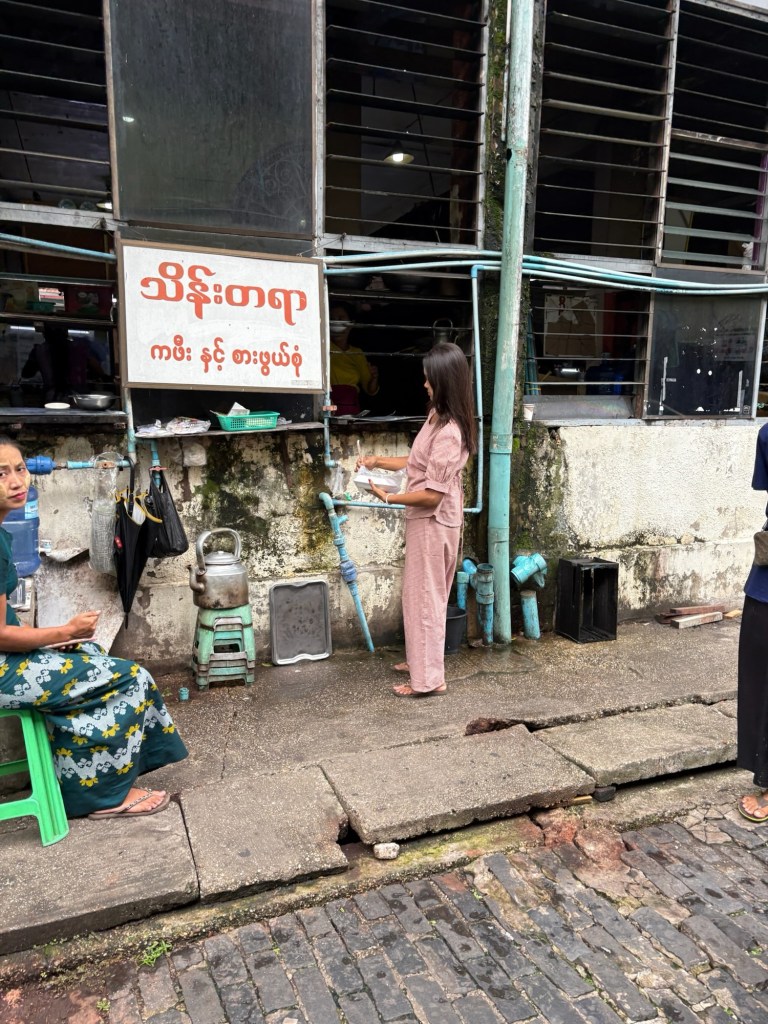
Ultimately, because my mom and J were willing to buy medevac insurance, pack a lot of patience, and keep activities low-key, and because we live in a diplomatic bubble that makes our lives here much more privileged than the lives of private Americans (not to mention local people), we decided to go ahead with it.
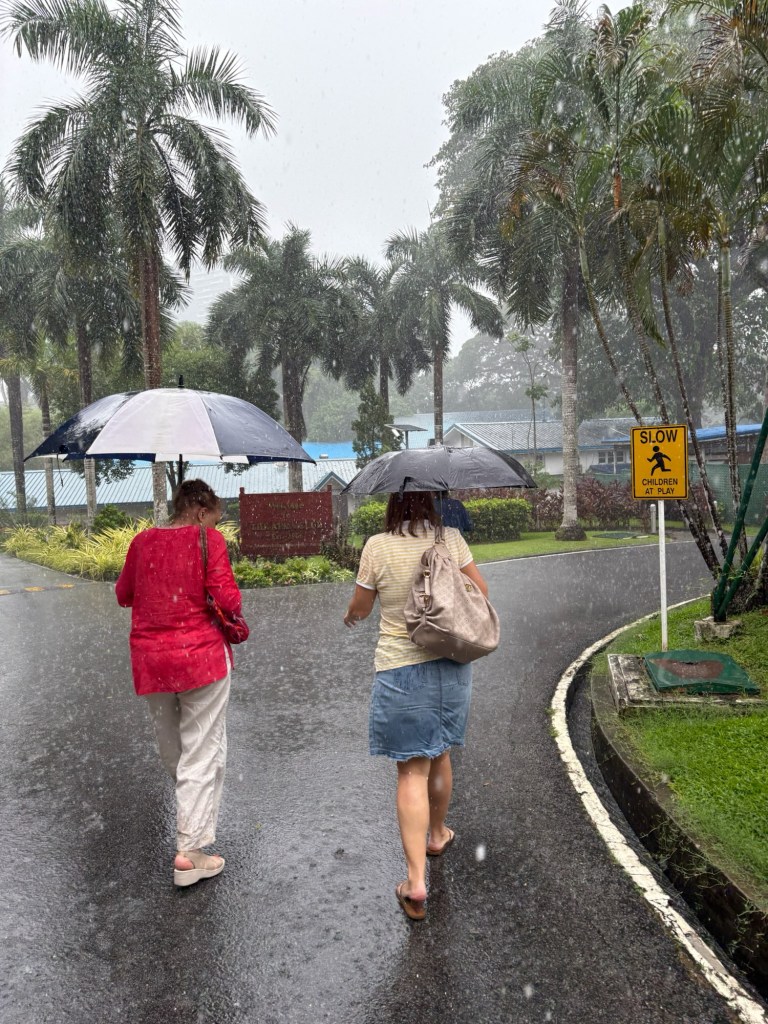
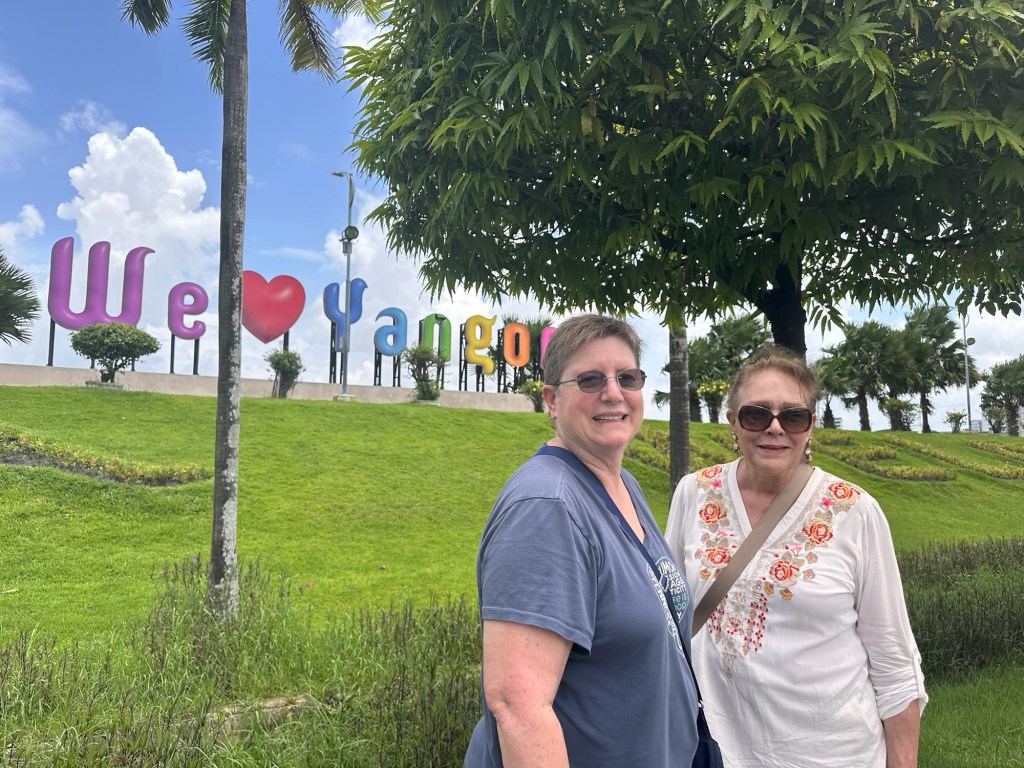
And in the end, I’m very glad they came, and I think they were too.


I just received a last-minute invitation to the September orientation class, so I will be reporting for training the same day! Wishing you a smooth PCS and hope we can catch up sometime soon 🙂
LikeLiked by 1 person
Oh my gosh, yes!!! Wow! Congratulations, so happy for you. Thanks for letting me know. Will be glad to follow this new journey of yours.
LikeLiked by 1 person