Before much more time passes, I want to finish the posts I began writing while we were still in Burma. It was only several weeks ago, in mid-August, that we departed Rangoon. But with every week that passes, fresh adventures take priority and memories can grow dimmer or change shape. I’d like to capture as much of the magic I found in Burma before the details fade for me.
So backing up a little bit, during the June visit of my mom and her friend and co-worker J to Burma, which I touched on previously, we took a couple of domestic trips within Burma. The first was to the ancient city of Bagan. Colleagues had told me Bagan was not to be missed, which turned out to be absolutely true.
Bagan is one of the world’s great archaeological landscapes. It was the capital of the Pagan Kingdom, the first empire to unify much of what is now Burma (Myanmar), and became the center of Burmese religion, art, literature, and architecture. I’ve heard people say that Bagan is comparable in significance to Angkor Wat in Cambodia or the Valley of the Kings in Egypt (although in truth, I haven’t been to either, so I couldn’t say myself).
Temples Galore
Between the 11th and 13th centuries, Bagan flourished. Kings, queens, nobles, wealthy merchants, and ordinary devotees sponsored an astonishing building campaign of more than 10,000 Buddhist monuments—including temples, pagodas, monasteries, libraries, and ordination halls.
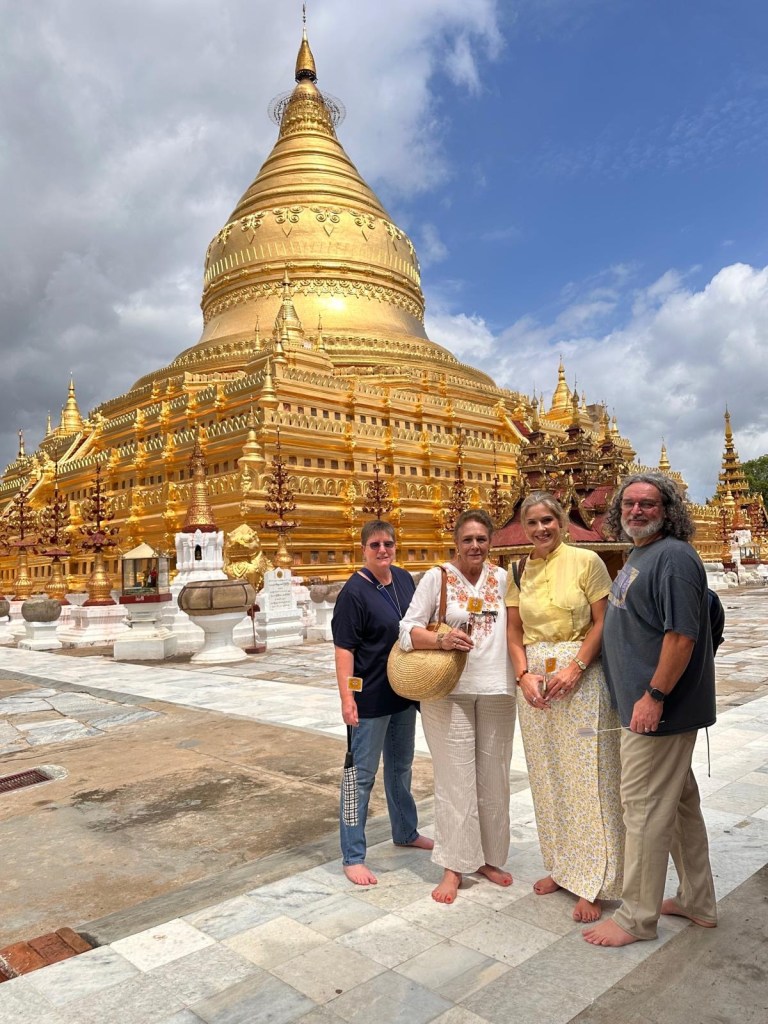
Shwezigon Pagoda
Today, only about 2,200 of those structures survive in varying states of preservation over roughly 40 square miles. The amount of destruction is hard to contemplate, yet there’s still so much remaining. Even after centuries of earthquakes, monsoons, and decision-makers come and gone, it’s difficult to look in any direction without seeing dozens of ancient monuments.
Bagan’s political power declined after repeated Mongol invasions in the late 13th century. Although scholars debate exactly how decisive the invasions were, the Pagan Kingdom fragmented soon afterward. Bagan was finally designated a UNESCO World Heritage Site in 2019 after decades of conservation work.
One of the things we immediately clocked was how few tourists, or even foreigners were around. I think we saw four during our three days there – two couples; one in a restaurant where we’d eaten lunch and another in the airport when we left. J and I spoke with the latter couple and learned they were freelance photographers from Texas.
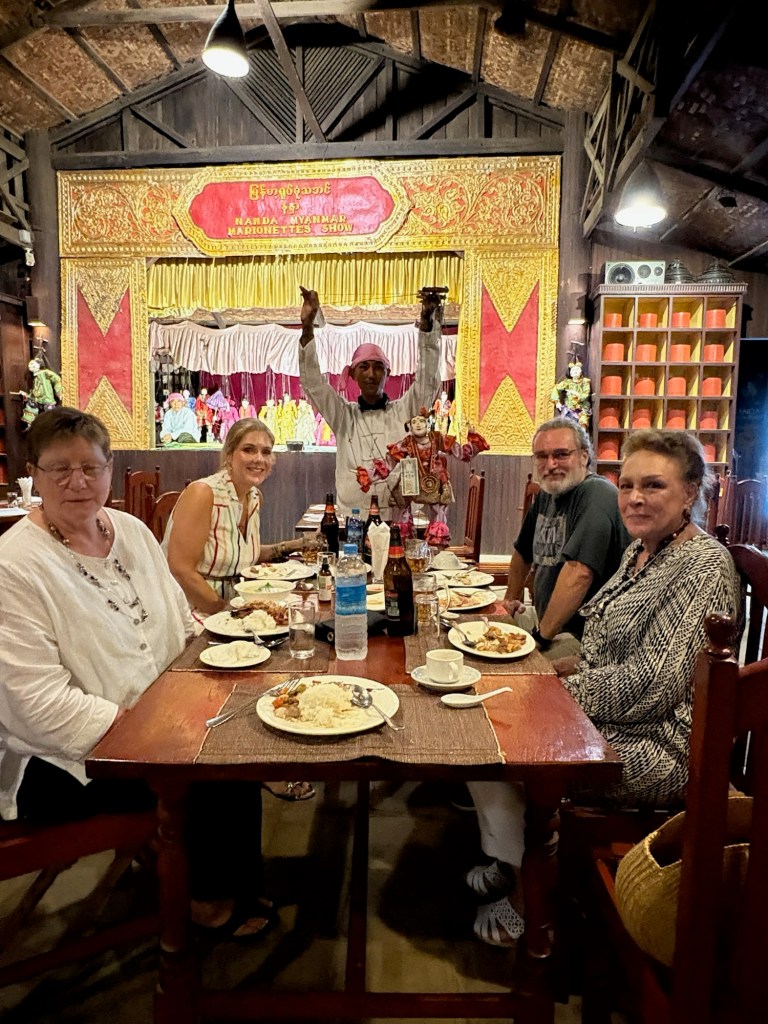
The emptiness and lack of visitors made me a little bit sad; on the one hand, Bagan deserves visitors and a thriving tourist industry. On the other hand, the warnings about traveling within Burma during its civil war are valid and warranted, and should be heeded.
For example, unnervingly, a mere couple of weeks before our visit to Bagan, international media reported clashes in Myit Chay area of Magway Region. It was not simply a protest or localized “unrest.” It was part of the broader armed conflict between the junta’s military and resistance forces. Hundreds of local people were affected. There were reports of civilians being beaten, detained, and killed. By early June, according to Reuters, local rescue workers had recovered the bodies of 40 villagers. This occurred literally across the Irrawaddy River from Bagan and nearly within the sightline of our resort.
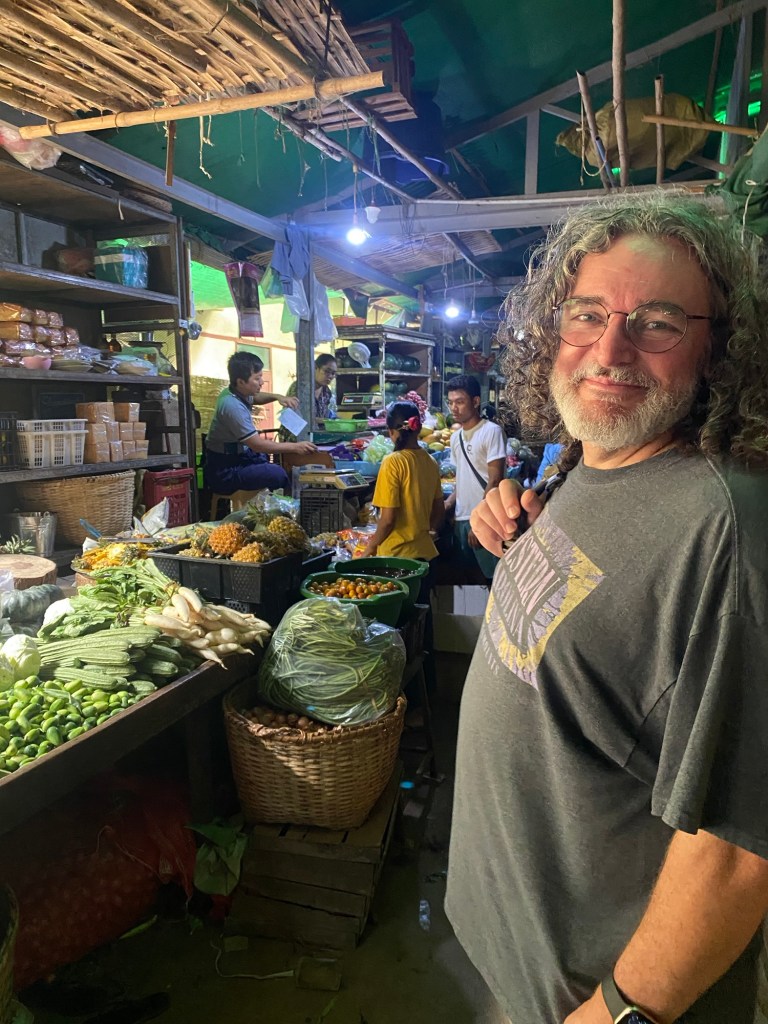
Obviously, I kept a close eye on things in the period leading up to our trip. Broadly speaking and for what it’s worth, had we not been in Burma under the auspices of my diplomatic assignment, I would have not invited my mother there to begin with. However, I am grateful for the bubble of safety and deference I was able to move around in during my tour (my accident notwithstanding), and the limited parts of the country that I did have the privilege to experience.
Our amazing and talented tour guide and driver had been recommended to us by the embassy’s Community Liaison Office. The guide had packed our proposed schedule with every attraction you could imagine seeing in Bagan. I’d immediately nixed the riverboat tour due to safety concerns.
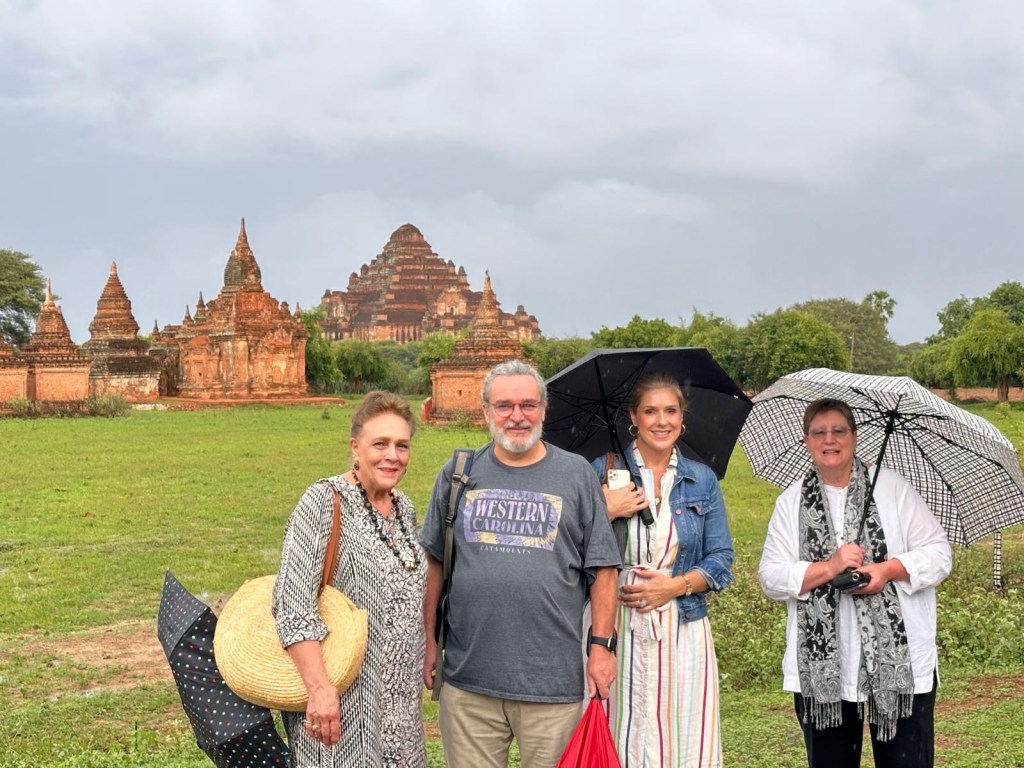
Monsoon season was beginning and it rained off and on during our visit, gray clouds kaleidoscoping a brilliant blue sky. We gamely had climbed in and out of the van dozens of times per day, lugging our totes and our umbrellas and our curiosity.
To some degree, I think we each felt like if you’ve seen 10 temples, you’ve seen them all. Or at least, there isn’t much more to be gained by traipsing through the mosquitos and humidity to see a dozen more. Similar to the overly ambitious itinerary I’d designed to maximize fun during my mom and J’s time in Rangoon, when it came right down to it, each day we kept every option in mind while also being okay with letting go of things we decided not to jam in.
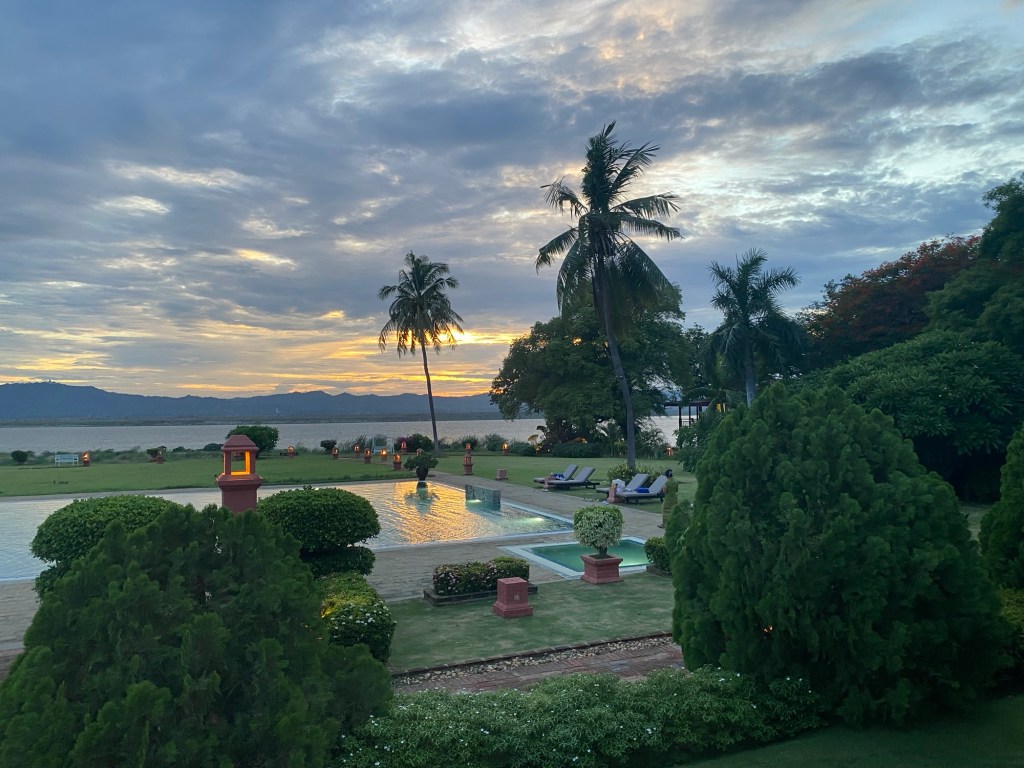
So on the second late afternoon, instead of seeing one more lacquerware shop, souvenir kiosk, or pagoda, or renting bikes to pedal around the dirt roads, we napped in our premier river view suites, swam in the resort’s pool, and then enjoying a pre-dinner cocktail enjoying the sunset from the quiet wooden terrace. It was absolutely perfect.
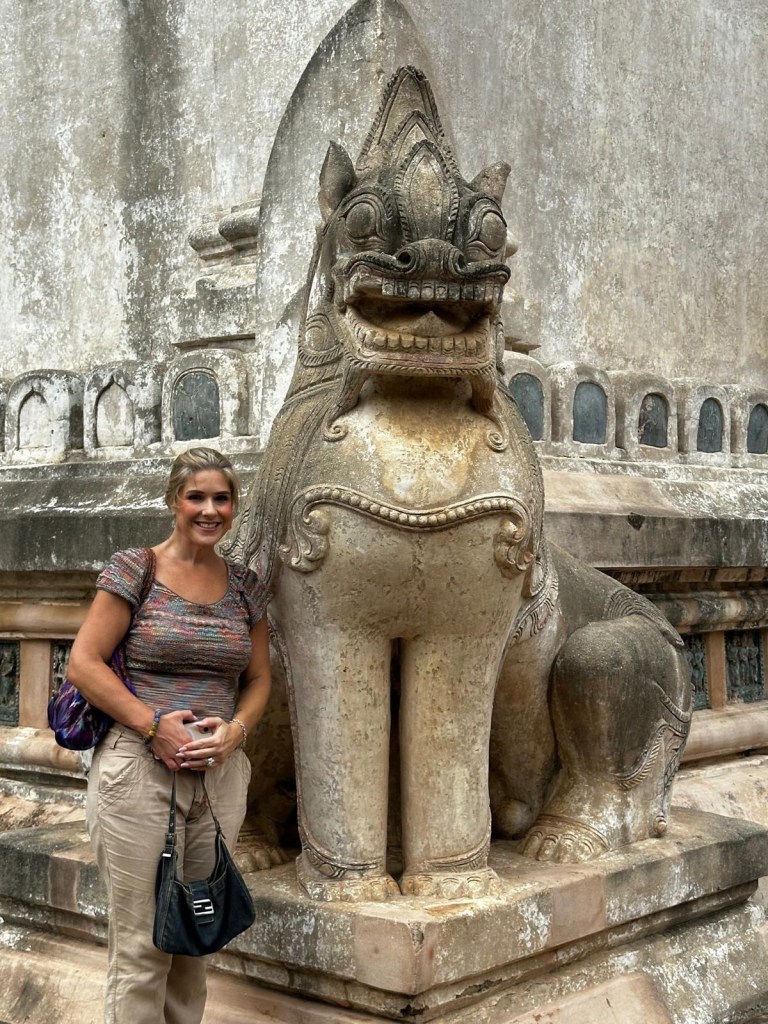
Built in the early 12th century during the reign of King Kyanzittha, Ananda is one of Bagan’s most magnificent and best-preserved temples, having stood the test of time for 900 years
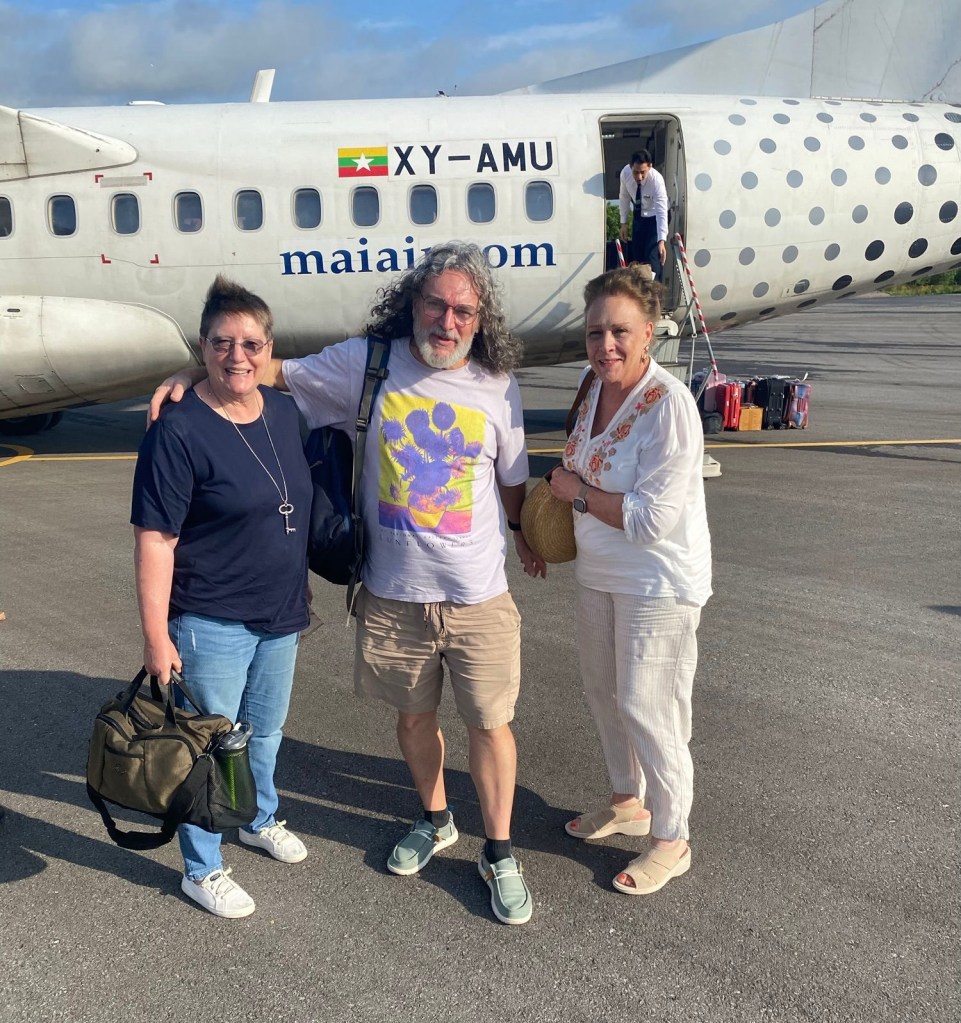
After two-and-a-half full days that felt just long enough, the four of us headed back to Bagan’s airport to return to Rangoon. Within a day of our return, V would head back to work and my mom, J, and I would be taking a second trip, this time up to Mandalay.


1 comment for “City of 10,000 Temples”