
Two weeks ago today, I returned to the United States. V and I flew together with our cat from Rangoon to Seoul, where we parted ways. V continued on to Washington Dulles to return to work, while I headed to Portland, Oregon, via Seattle for Congressionally-mandated home leave.
Upon arriving, my dad picked me up at PDX, and we grabbed an early dinner. After nearly a full work day, followed by day-and-a-half travel and the 90-minute drive to his house, completely exhausted and drowning in jet lag, I proceeded to sleep for about 24 hours straight.
One of the hardest things about PCS travel for me is that I cannot sleep on planes unless I can lie completely flat—an option that is generally out of my price range, whether I’m traveling on orders or not. So I typically arrive at my destination feeling miserable and motion-sick, and sometimes borderline hallucinating.
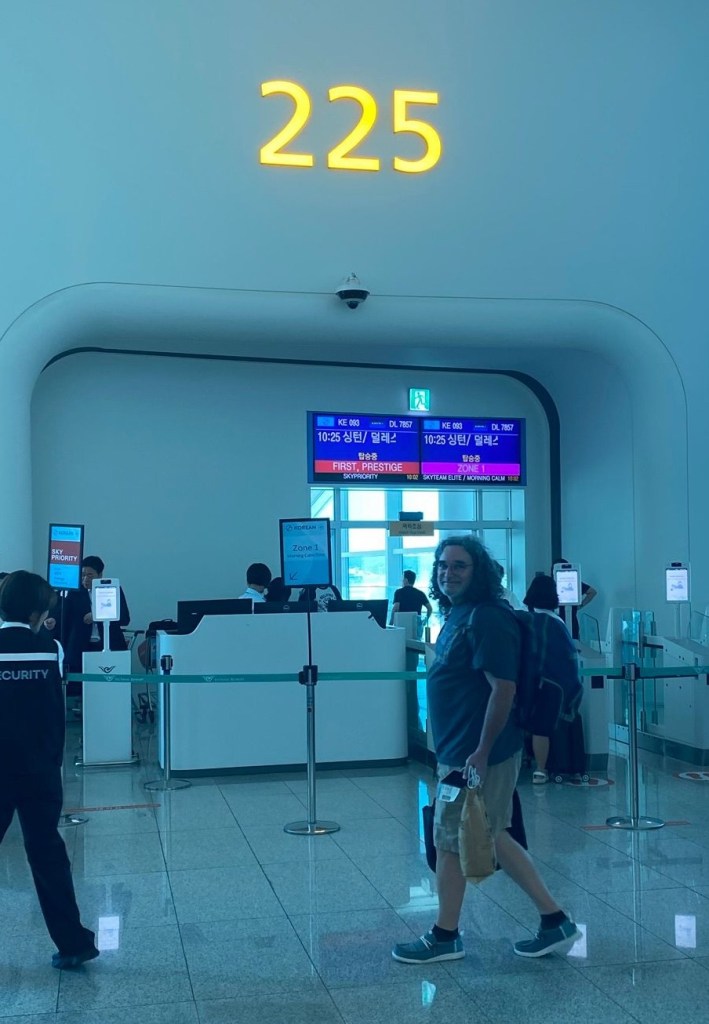
Not only does moving internationally by airplane necessitate the nearly impossible task of carrying on all your civil documents, medications, valuable jewelry, handbags, electronics, and live animals, but PCS travel also often comes at the tail end of a frenetic period at post, when I’ve completely depleted my energy.
The final weeks of an assignment are generally spent packing, giving things away, working extended hours trying to wrap up or hand off work midstream, and saying goodbye to people—often when you’re not ready for it, and always while you’re still fully engaged in your busy day job and juggling all your onward arrangements.
But even though it’s brutal, it doesn’t last forever—even when traveling from Asia. Slowly, over the eight days I stayed with my dad, I began to adjust and recover enough to feel human again.
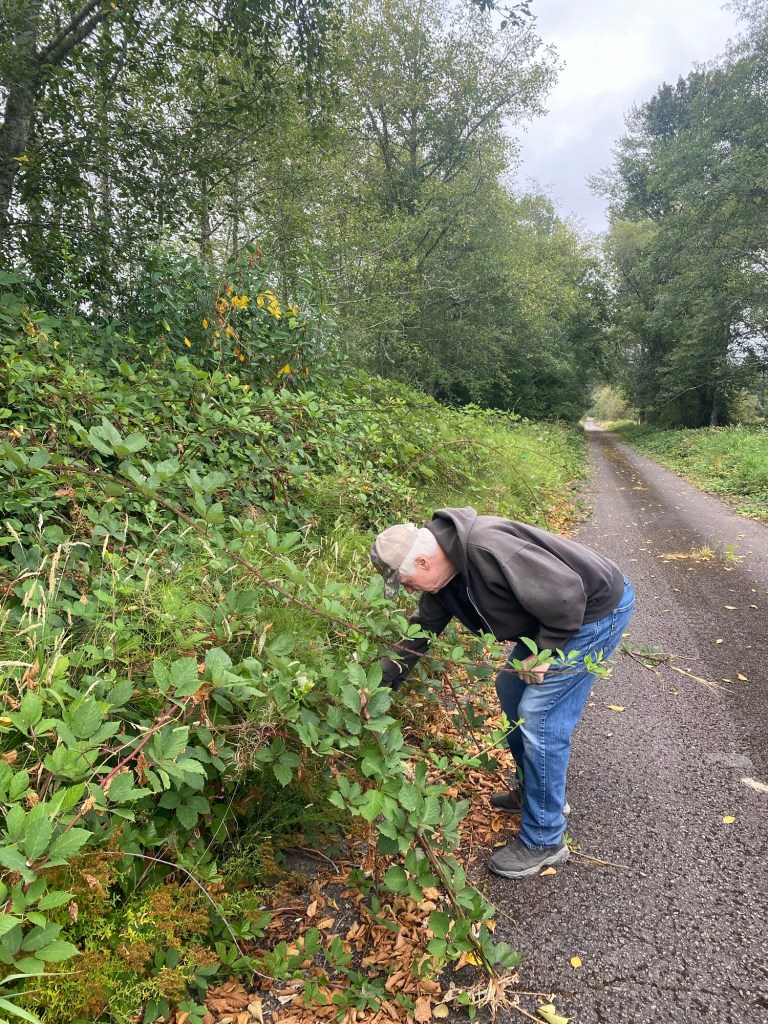
We went for long nature walks. We cooked at home or ate at local restaurants, sometimes with my dad’s friends. One night, we went to a local fairgrounds and watched the car races. Another day, I spent several hours packing up two closets filled with my stepmom’s clothes, almost three years after her passing—a reminder of how infrequently this career allows you to be home to help with things like this.
I took naps when I needed to. I ate nachos, steak, ice cream, and fresh fish. My dad and I watched an entire season of Alone on Hulu. We went to an Indian casino and played video poker. We picked blackberries, volunteered at the local food bank, and went shopping for a new car for my dad. And in this way, I began to adjust to being back “home.”
I tried not to let the fact that I was living out of bags—with way too many things for a “trip”—bother me. In a previous post, I referred to home leave with descriptors like “relaxing” and “freewheeling.” This can be true, but it requires you to suspend any angst you may have about feeling “homeless.” I tend to feel distressed spending day after day in someone else’s space while knowing that the space I once had somewhere has since been deconstructed, and all my household belongings have been divided and scattered among various shipments and storage locations.
Home leave can be further complicated by not having a forwarding address. I’m staying between relatives’ homes and hotels, while V is staying in an Airbnb. PCS lodging typically isn’t assigned until two weeks before onward language training. We finally received our assignment this week—our second choice, which was fine—but discovered that we cannot move in until 4:00 p.m. the night before training begins. And, of course, check-out time at our previous accommodation is 10:00 a.m.
In the meantime, we’re being contacted to arrange delivery of our unaccompanied air baggage (UAB), which has already arrived in the DC area following our packout earlier this month. However, that delivery will need to be coordinated with the movers and a building where we don’t yet live, on a business day when I can’t technically take any time off.
It will all work out. In the meantime, I’m trying to simply enjoy the amount of family time I’ve been lucky enough to have, as well as the beauty and ease of returning to my home country after a year abroad at a hardship assignment. So far, it has truly been wonderful.


2 comments for “7,744 Miles Later”