
As I wrote about in previous posts, we spent our April R&R in the United States: the first leg in northern Virginia tackling our to-do lists, the second in Georgia for a family wedding, and the third in Washington state with my dad.
Normally, my dad’s house is a port in a storm. This visit was no exception. Because it was the last stop on our trip before returning to Burma for the final quarter of our diplomatic tour, however, our time with my dad also had to be divided between enjoying his company and running errands.
My dad lives in coastal Washington, so he picked us up at the nearest airport in Portland. Under normal circumstances, I would rent a car and never ask him to make the drive. This time, however, my car was already at his house, where I’d left it the previous summer before departing for Burma, so renting one wouldn’t have made much sense.
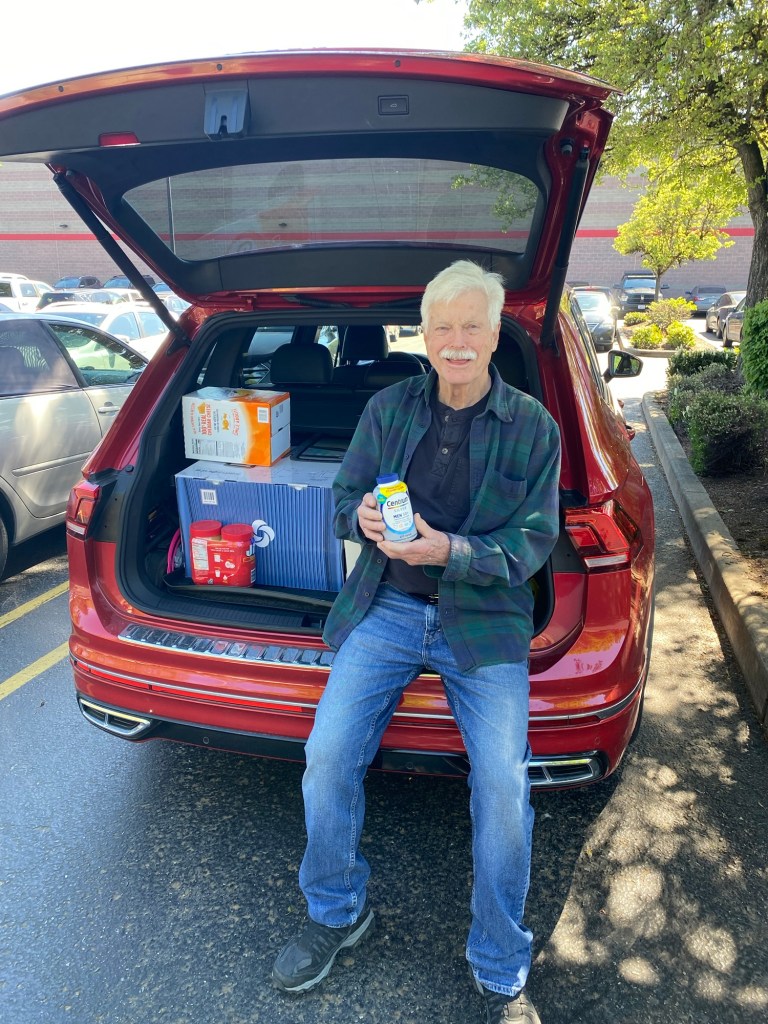
While we were at my dad’s, there were a few things we needed to do, such as consumables shopping, purchasing a new set of luggage, taking my car to service for an active recall on the backup camera, and doing some virtual doctor appointments.
Other than that, all we wanted to do was spend time with him—go on a few hikes, enjoy good meals, and help with any projects around the house if he needed it. Most importantly, he was relieved to see me for the first time since my November 2025 truck vs. pedestrian accident and to see with his own eyes that I am recovering as well as could be expected. He is always happy to see V and me, and visits from his children, who are scattered across the country, help keep him connected and prevent him from becoming isolated.
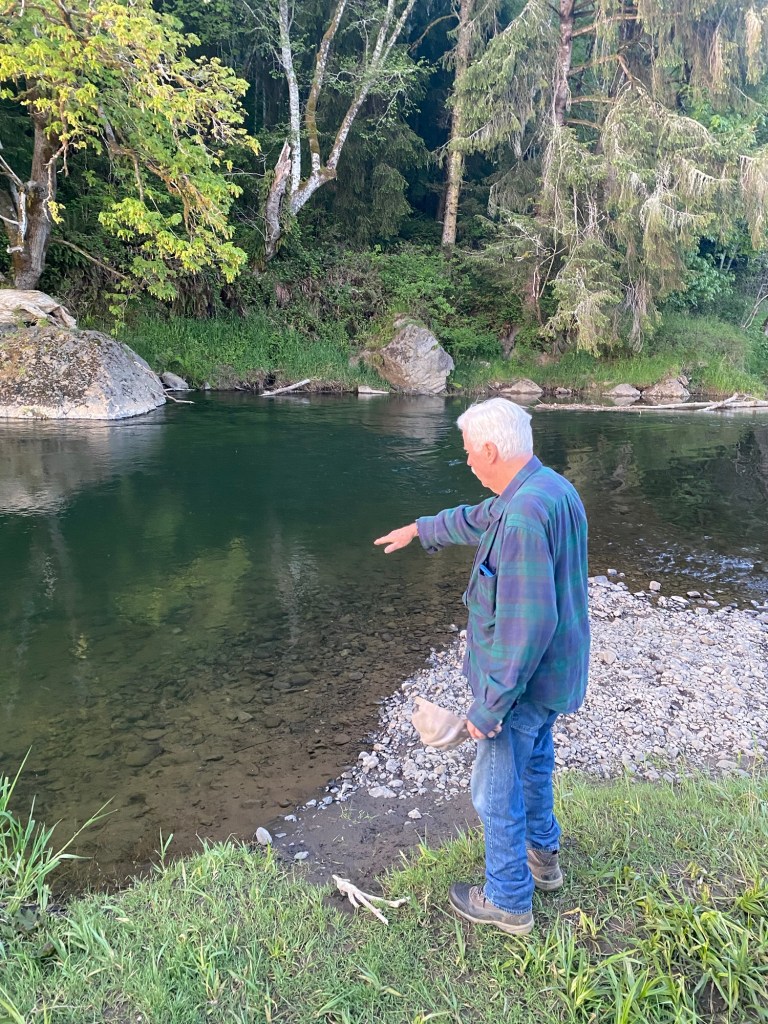
My dad and stepmom originally moved to their rural WA town in 2018, shortly before they visited us in Canberra to mark my 40th birthday. The closest medium-sized town is a good 20 miles east, down a winding mountain highway that gave even me some pause.
Although when they relocated to WA from California they were barely in their 70s and not far from good healthcare, unfortunately, their new town ended up feeling further away than they’d expected, and quite soon. Between the pandemic isolation that followed and my stepmom’s illness from 2022 until her death of pancreatic cancer in 2023, they didn’t have as long as they’d deserved to enjoy the beautiful natural surroundings together.
But they did settle into their wonderful community long enough to become part of it and to be surrounded by the love and support of new friends and neighbors during my stepmother’s decline.
I spent much of October through December 2023 at their house during my domestic tour in the Office of Children’s Issues, working remotely while helping care for her in hospice. Since then, I have felt a particular sense of being at home whenever I visit. Their home doesn’t have the family history that the California house did after decades of time spent there, but like in the Foreign Service, home is ultimately where the heart is.
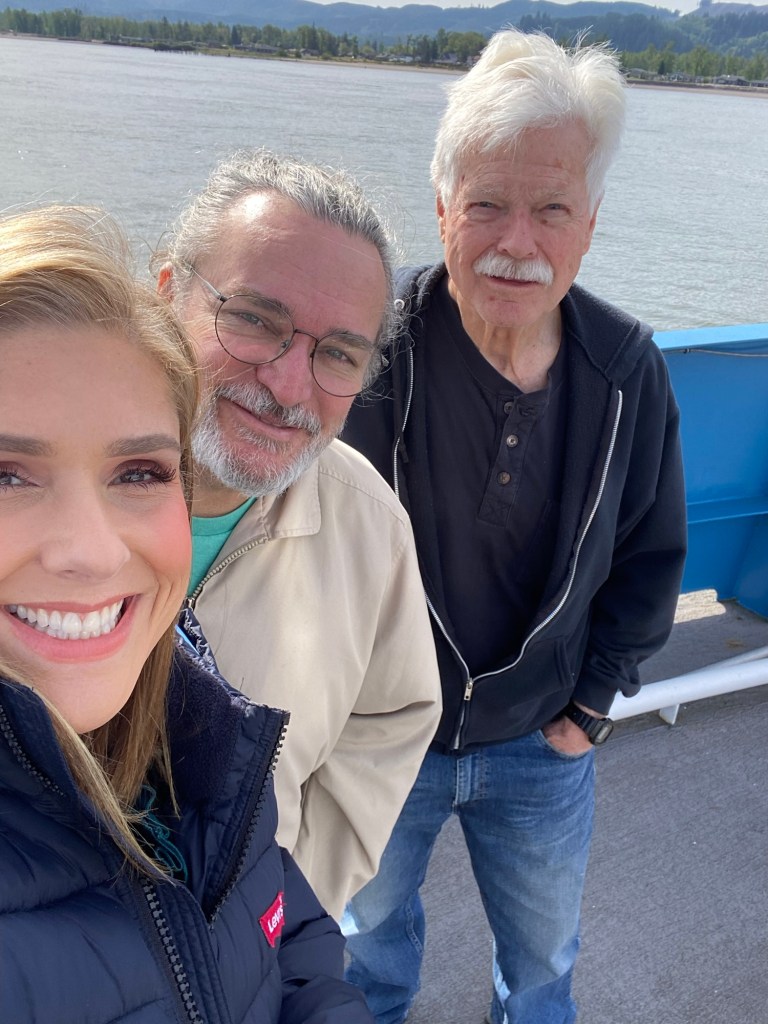
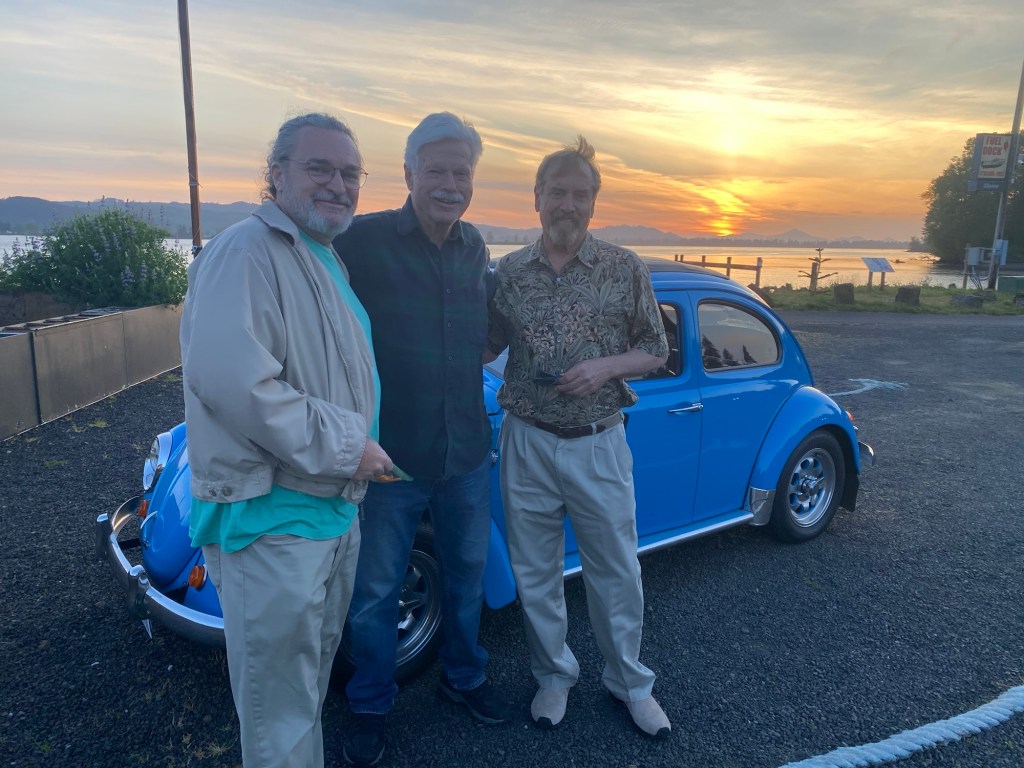
One of the most difficult parts of the FS career for many FSOs is sacrificing time with aging parents while serving your country overseas. So this last segment of our R&R was yet another tick in the column of the long trip being worth it for such a short period.
My dad had joked after visiting us in Australia — a trip that featured yet another jam-packed sightseeing itinerary designed with love by me — that he would have to return home to his much calmer life “in an ambulance.” And that’s probably how he thought we were rolling out when we finally left his house this time, with all our usual angst about last-minute errands and purchases, baggage weight, flight seat assignments, and airport logistics.
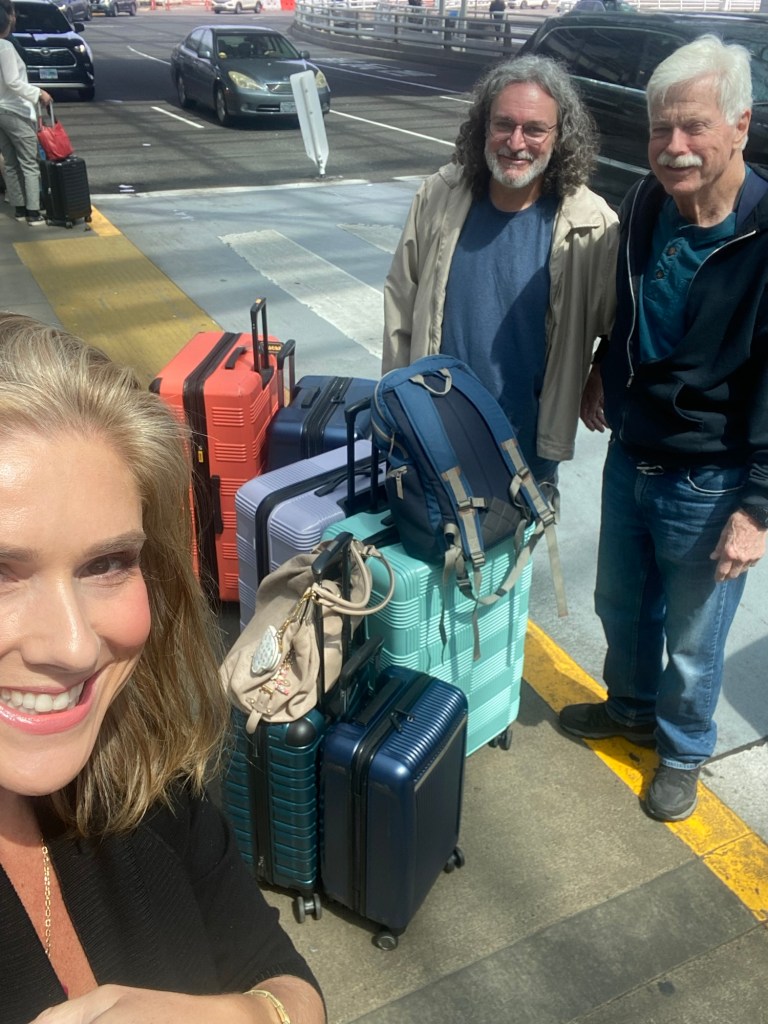
As it turned out, he would have been very distressed by our stressful return journey to Rangoon. Our itinerary took us from Portland, Oregon, to Los Angeles, California, then on to Seoul, South Korea, before finally arriving in Rangoon.
When we checked in for our first flight in Portland, Delta representatives informed us that they could not check our four brand-new suitcases through to Rangoon, despite our traveling on official government orders. The problem was that the final segment on Myanmar Airways International (MAI) permitted only one checked bag of up to 30 kg per passenger because of Myanmar’s jet fuel shortage. Compounding the issue, MAI had no interline baggage agreement with either Delta or Korean Air. As a result, if we had to enter South Korea to reclaim and re-check our luggage, the standard two-bag, 50-pound-per-bag allowance provided by the other airlines would have been meaningless because MAI would not have accepted the additional baggage for onward travel.
These problems were made significantly worse by the embassy travel office’s handling of our reservations. Our itinerary had been issued on multiple tickets and separate passenger name records (PNRs), making it far more difficult for the airlines to coordinate baggage through-checking and increasing the likelihood that we would have to reclaim and re-check our luggage during transit. We also received no advance warning that MAI’s baggage restrictions would conflict with the allowances provided by the international carriers or that this issue could jeopardize our ability to transport our household effects. At check-in, we additionally had to argue with airline personnel over which carrier’s baggage rules applied under the “most significant carrier” (or “carrier of greatest significance”) rule before the issue could even begin to be resolved.
As a result, we flew from Portland to Los Angeles to Seoul with considerable anxiety over whether all—or even half—of our luggage would ultimately make it to Rangoon. In the end, after numerous interventions on our part and coordination with the embassy, the airlines, Incheon Airport officials, and others, we were able to resolve the situation.
We had avoided this problem on the way over, which followed a similar routing—from Rangoon to Bangkok on MAI, then onward to Tokyo on a Japanese carrier before continuing to Dulles. In hindsight, that was likely due in part to the diplomatic courtesy extended to me at the point of origin, but also because I was able to take a much more active role in managing the travel logistics. The experience underscored how unnecessary complications—particularly the use of split tickets and separate PNRs without adequate advance notice of the baggage implications—created avoidable stress and uncertainty during official travel.
It certainly was not the way we had hoped to end what had been, on balance, a wonderful and relaxing R&R trip. However, once we arrived home that evening, greeted our cat, and got a good night’s sleep, the frustrations of the journey quickly faded, leaving only the good memories. The next morning, I returned to work for a full day, ready to dive back into the busy month of May at post.
It also marked precisely the beginning of our final 100 days in Rangoon…

