We moved to Burma (also known as Myanmar) two weeks ago, at the start of my fifth diplomatic assignment. It quickly became clear that we had traded summer in the United States for the height of Burma’s rainy season.
One of our first clues was how quickly the afternoon sky could shift—from clear blue with fluffy clouds to black and stormy in less than an hour. Another was the torrential rain, so loud it nearly drowned out conversation in our temporary apartment and sent our cat scurrying under the nearest piece of furniture. A third was the sight of pedestrians choosing to walk in the street at rush hour, rather than risk a wrong step on the tiled or mossy pavement of the city’s treacherously slippery sidewalks.
Burma’s capital city, Rangoon, can experience 100 inches of rainfall annually—much of it during this time of year. That’s over eight feet of water.
Burma has three seasons: cool, hot, and monsoon.
The cool, dry season happens between November and February, roughly aligned with southern hemisphere’s summertime.
Then in March, April, and May—while much of the northern hemisphere welcomes springtime—Burma experiences its hottest, stickiest heat.
Then by June the rains come and persist until October: a phenomenon known as monsoon season.
Monsoons are a global occurrence. They happen in several regions of the world, including West Africa, East Asia, Australia and the Pacific, and even parts of North and South America.
But the most famous, dramatic, and damaging monsoons occur in South Asia and Southeast Asia, in countries like Vietnam, Bangladesh, India, Thailand, and of course—Burma.
A monsoon is basically a large-scale seasonal wind shift, usually bringing heavy rains when moist ocean air is drawn inland.
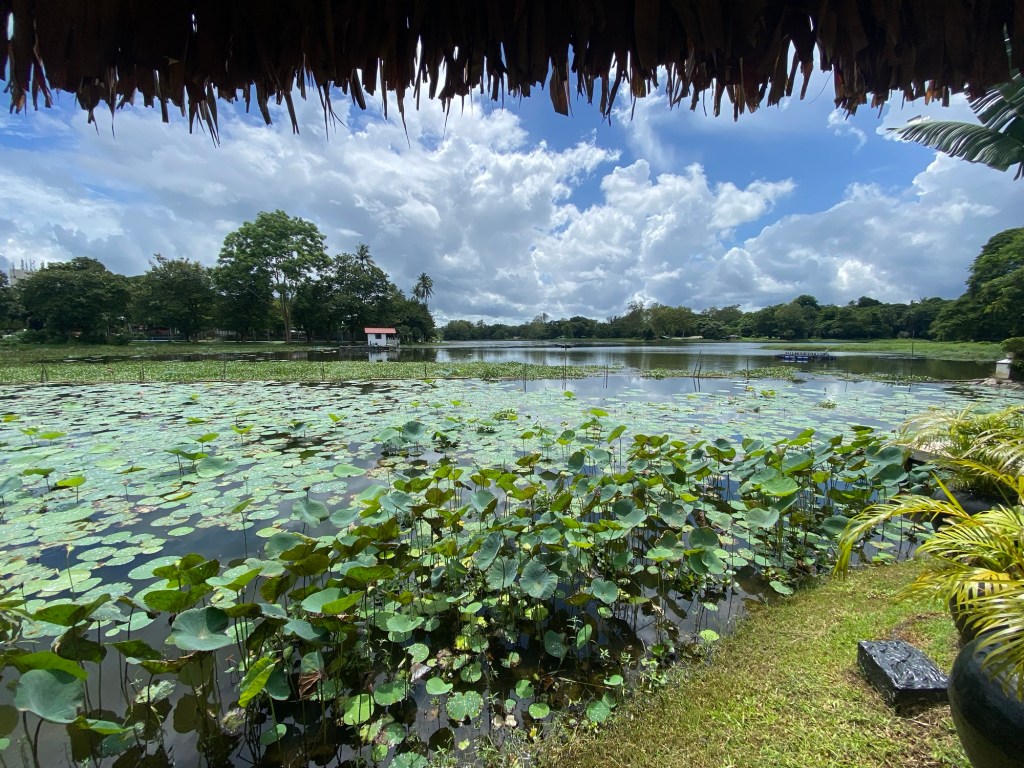
Monsoon season brings life-sustaining rains and cooler temperatures to Burma after the scorching heat of its hottest season. The rains are vital for national and local agriculture, especially rice, and deeply shape the rhythm of daily life. But they also bring flooding, transportation challenges, and nearly 95% humidity.
On my brief windshield tours around Rangoon thus far, I have seen firsthand the effects of so much rain. Black mold and foliage run amuck, seemingly in competition to see which will swallow a building first. Mildew is pervasive, both inside and outside a home; this is the first apartment I’ve ever stayed in where plastic-lined buckets of charcoal sit in the corner of each room.
I’ve seen people walking down streets—both paved and unpaved—with water above their ankles and sometimes to their shins. Heavy downpours often overwhelm drains, so intersections and low-lying roads are the first affected. Motorbikes, buses, and pedestrians all have to navigate through it.
Already congested traffic becomes more so, as drivers slow down to avoid deep puddles or low visibility caused by the sheeting rain.
Sudden storms can knock out electricity. Indeed, the city seems to experience more than its share of blackouts; I’ve counted four outages so far today between our home and the embassy. However, unlike many others, we are fortunate that a generator soon kicks on and saves us from the dark, still heat that would otherwise quickly creep in.
So far, my biggest complaints about the monsoon rains have been the surge in mosquitoes, the disruption of my pool time, and the impossibility of wearing leather. Of course, these hardly rank among the top 250 concerns on the minds of people in Rangoon.
I am fascinated by the unfamiliar climate and the lush, green beauty of our new surroundings. The rains and humidity don’t bother me anywhere near as much yet as I thought they might. Perhaps it’s the honeymoon period, but right now it seems like a feature of this place, and not a ‘bug.’
And I have learned to keep an umbrella with me all the time, irrespective of the sky’s appearance or the predictions of the weather forecast.


It already sounds amazing! I wonder if you are able to write at all about the idiosyncrasies of calling the country Myanmar versus Burma. Of course, I will understand if you can’t. Cheers!
LikeLiked by 1 person