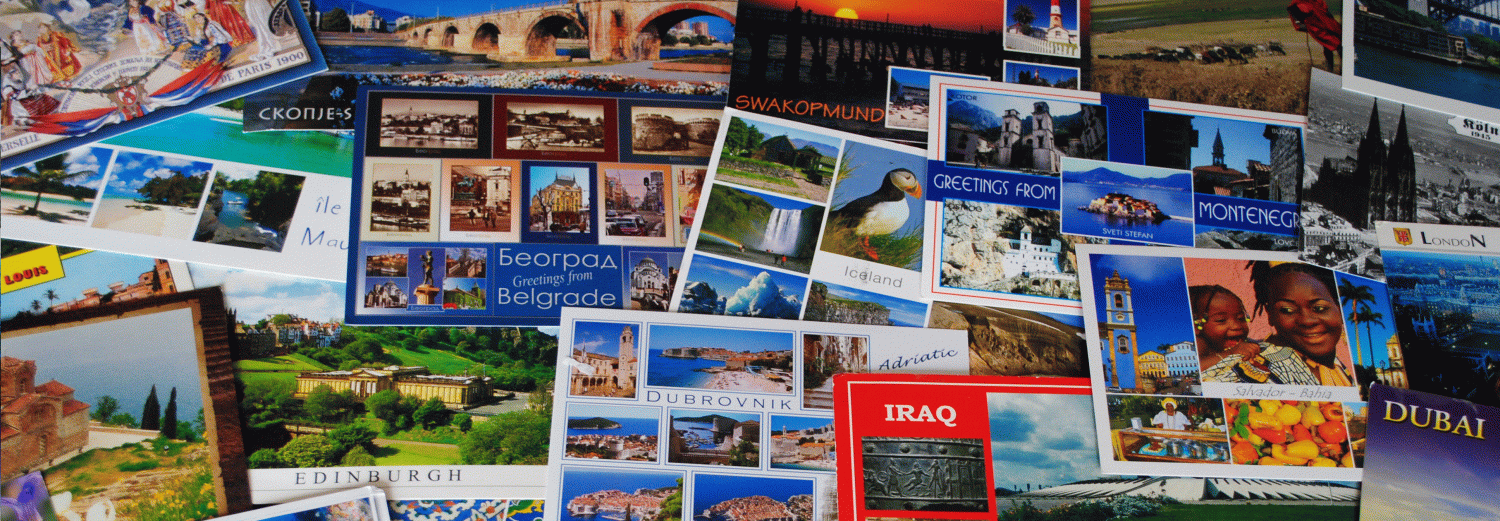
People are typically surprised to hear I’ve driven from the east coast to the west coast and back alone not just once, but three times during the last 12 months. I suppose it is surprising given the distance, sometimes even to me. Of course, there are times flying to one’s destination makes the most sense. After all, I’ve lived abroad five times and until the pandemic, flew on planes like it was my job. But I absolutely LOVE driving. In 2022 I took six major solo-driver road trips, totaling a whopping 22,127 miles. I’ve continued that trend in March 2023 with my biggest solo cross-country trip yet: a personal record of 7,963 miles. Not only did I take the scenic route behind the wheel as sole driver, on five of the seven trips I was also totally alone.
Although solo road trips are something I deeply enjoy, I recognize the inherent risk. I don’t necessarily recommend someone “endurance drive” if they feel it it’s a bad idea for them. Many people have told me driving all day is boring or makes them sleepy. Since I was a teenager, I’ve been taking five-hour road trips alone and have almost never felt this way. While there are plenty of things in life I find hard to do, driving for long periods isn’t one of them. But to whatever extent it is or isn’t your thing, there are ways to make it easier. Whether a cross-country solo road trip sounds like fun or slightly insane to contemplate, in order to answer the questions I keep getting about how I do this… here in no particular order are my top 25 tips for road tripping as safely as possible in the United States, especially if I go alone.
1. Believe you can do it, but don’t be a hero. This is foundational. In most cases, you don’t really have to take a road trip, especially in less-than-ideal conditions. Looking at your GPS showing 3,000 miles and 49 hours to go can feel daunting. If you’re exhausted or in pain, don’t trust your car, the weather is hazardous, the road conditions seem unsafe, it’s getting dark and you don’t see well at night, you’re having trouble concentrating on directions, you’re in a crappy mood and not enjoying yourself, you feel like you’re nodding off, you keep getting spooked by police or bad drivers or wildlife in the road: all of these are excellent reasons to call it a day. Driving long distances isn’t about setting a daily record or making it to your destination without a break. We’ve all made mistakes or pushed too far just to avoid an unplanned stopover. But serious drivers understand they literally take their lives in their hands every time they get behind the wheel. I often remind myself on such a big trip that arriving alive is the only goal. If you reach a critical mass of negative factors, don’t talk yourself into continuing. Tomorrow’s another day.

2. Service your vehicle before departure… My Volkswagen is pretty reliable and I’m the original owner, but it’s still going on 14 years old. Personal security is probably my top concern on any solo road trip. My ability to leave some bad situation is predicated on my car not stranding me in a vulnerable spot. But it isn’t possible to prevent 100% of breakdowns, even if you take your car for service right before a road trip. It happened to me three months ago when I broke down in Eugene, Oregon between my dad’s in Washington and my mom’s in California. I was mad because I’d just had the car in the shop and didn’t magically know the oil pressure sensor was about to fail. I still go to the dealership and get the oil changed, brakes, tires, and belts checked, and make sure my car is running well before setting off on a big trip.
3. …but realize a breakdown is eventually inevitable and prepare for it. I try to have some contingency plans in case I do break down. I bring both my cell phones which happen to be on two different cell carrier networks, upping the chances I’ll always have coverage. I have 24/7 roadside assistance through our car insurance policy. I also travel with items that could help get me back up and running in the event of a mechanical problem, or at least keep me more comfortable while I sort it out. On my winter list: first aid kit, extra high-protein non-perishable food and potable water, a spare tire and jack, a portable battery jumper, snow chains, a wool scarf and beanie, a low-temperature sleeping bag, a tire patch kit, a reliable tire pressure gauge, extra motor oil, a heavy waterproof coat, Mechanix gloves, Windex and napkins or paper towels, a phone charger, a flashlight and flares, wool socks, and snow boots. It’s a good idea to know how to use every car item you have without help. Many of the above items could also help if you had to shelter in your car for a few days; for example, in the event of a snowstorm, multi-car pile up, or natural disaster.
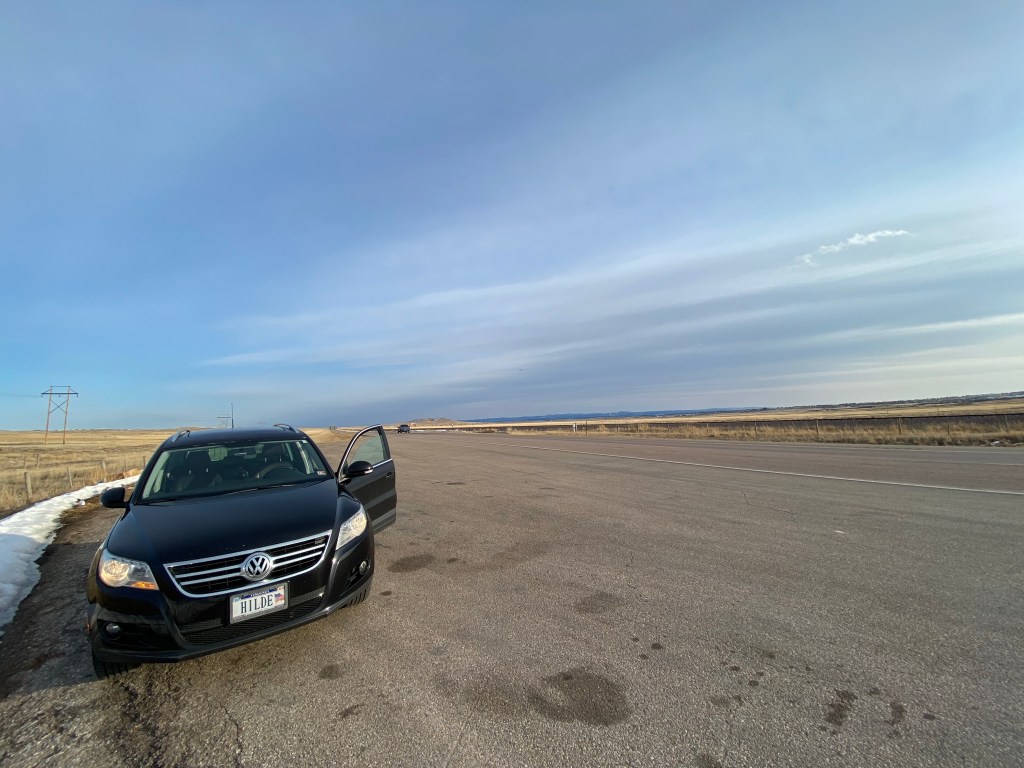
4. Make sure someone knows where you are. I turn on iPhone location sharing with my husband before I leave so he can always see where I am, or where I most recently was if I lose signal. Every night when I stop at a motel, I send him a pin on Google Maps so he knows where I am sleeping. Although I like to maintain flexibility in my route to avoid weather and traffic snafus that arise, I generally aim for a range of locations each morning. I know about how far I will go each day should everything go according to plan.
5. Be intentional about leaving a digital trail. I usually stick to using the same credit card for all my road trip expenses. Paying for gas, motels, food, and incidentals with the same card simplifies your digital footprint and can help more easily trace your activity over a large geographic grid if need be. I also make it a point to appear on camera every couple of hours; at a rest stop, at a gas station, or at a grocery store. This creates a record of my movement along a route, particularly if I’m not certain in advance what roads I will stick to. If I did disappear, camera footage and credit card charges could provide the location where I was last seen. It sounds grim, and it is. But what would be worse is no evidence of you anywhere, your family knowing nothing of your plans, and searchers having no clue where to start looking for you across hundreds or thousands of miles.
6. Safety first. Situational awareness is your friend. A lot of times we try to talk ourselves out of other people’s behavior raising a red flag, but you can’t afford to do that when you’re alone. At my height and weight, I’m not the first person a criminal would target. However, anyone can become a victim. Be extra aware of your surroundings every time you stop and notice anyone taking an interest in your appearance or activities. Don’t get distracted or complacent about your personal safety. Don’t make eye contact with people who are loitering or panhandling, and maintain a neutral demeanor while moving with purpose. Beware of any situations where one person could cause a distraction by engaging you in seemingly benign conversation while a second person approaches unseen. I don’t walk up to my car if someone is nonchalantly standing near it, for example, even if they don’t seem like a threat. I regularly walk around my car before I get in to eyeball the tires and see if anything looks odd – a habit from overseas. As soon as I get in, I immediately lock the doors and depart. If anyone asks me a weird question or claims a reason to flag me down, I don’t tell myself a story to make it make sense. I don’t assume it’s fine or worry about hurting their feelings. My only responsibility in these situations is to myself. I’ve stopped a couple times at a gas station or rest stop where I just got a creepy vibe but couldn’t put my finger on it; I trusted my intuition and kept going to somewhere better populated that didn’t feel weird. I’m not easily creeped out, but when something feels off, I don’t try to rationalize or question it, or tell myself I am tough and unafraid. I just get out of dodge. Especially after reading “The Gift of Fear” by Gavin de Becker 20 years ago, which I highly recommend and particularly to women.
7. Avoid conflicts and erratic drivers. Don’t engage in any “road rage” incidents or altercations with other drivers, no matter how minor. I assume everyone around me is armed. My goal is to get where I’m going, not to be “right” or to enforce the rules of the road. I leave that to law enforcement, no matter how tempting it can be to flip someone the bird or blast them with my horn. If someone is driving dangerously, the best thing you can do is simply put as much distance as possible between your car and theirs. Let them go get their ticket or have their accident somewhere else.
8. Pack strategically. I pack a light overnight bag with a few changes of comfortable clothes and my toiletries. This way I’m not in a motel parking lot at night alone lugging a huge suitcase or fussing around with various bags.
9. Maintain a low profile and avoid drawing attention that could lead to theft. I put my valuables like my suitcase, laptop, and expensive purses into the trunk at my house and then try not to open the trunk for the duration of the trip. Inside the car I only keep food, medicine, and the overnight bag. I avoid leaving conspicuous items visible in my car that could attract a break-in. Be aware even hidden items are at risk overnight from thieves, and that the further you get from home, the more your out-of-state plates will signal you’re traveling.

10. Prioritize your hydration and nutritional needs. I like to buy large jugs of water that will last me 2-3 days. I use them to refill my cupholder water bottle every time I make a stop. It’s a good idea to have extra water with you in case of a breakdown, too. Likewise, keep enough food in the car for a few days even if you have to make a grocery store or Costco run. I like to keep it within arm’s reach rather than in the trunk. In my opinion, you don’t want to rely on fast food on the road. It can make you feel terrible, hurt your digestion and energy, and isn’t the nourishment your body needs to expend so much focus. This may sound unrealistic, but I can tell you I have repeatedly crossed the entire country without eating fast food even once. Meal prepping and bringing a small cooler was essential, and since I can make it across the country in three and a half days alone, this works for me.
11. Maintain a sleep and exercise schedule the best you can. In my experience, some people just get drowsy in the car no matter what. I’m not one of those people. I worry more about carsickness, even when I drive. I’ve found being well-rested essential to combat either of these issues. I try and maintain a sleep schedule, getting on the road each day between 8:00 and 9:00 a.m. and driving until around 11:00 p.m. This creates a 14-hour driving day which I’ve found is a good max for me. You may find you prefer more or fewer hours. But whatever you choose, if you do easily get drowsy, I don’t recommend propping yourself up on caffeine and sugar; actual sleep is best, and especially if you make it a routine. The driving days I feel best are when I work out in a hotel gym before hitting the road, and go to sleep within 45 minutes of arriving in my room at night. Chewing gum, listening to podcasts or loud tunes, talking on the phone hands-free, and rolling down the window periodically for a blast of fresh air can help maintain alertness while driving.
12. Make yourself as physically comfortable in the car as possible. Our bodies were not designed to sit all day, day after day in a driver’s seat position. I’ve noticed when I drive wearing my Vans or tennis shoes I eventually get a scuff on the back of my right foot from hours of steadily pressing down on the gas pedal. This could probably be alleviated by using the cruise control, but I have to admit I haven’t used the cruise control in my Volkswagen for years. It works great, but I prefer to be an active driver. I find steering alone very boring. If I started getting speeding tickets, I would start using the cruise control, but it’s never been an issue. So I find it most comfortable to drive in my waterproof Ugg boots in the fall and winter, and in a pair of sturdy sandals in the spring and summer to avoid the scrapes. I’ve also learned to keep comfort items within arm’s reach: snacks and drinks, an OTC pain reliever, my pre-filled contact lens case and my eyeglasses, sunglasses, daily medication and vitamins, Dramamine, lotion, chapstick, nasal saline spray, Neosporin or bactroban for those troublesome times my poor dry nose cracks inside, eye drops, and a pump jug of hand sanitizer inside the driver’s side door for those unhygienic gas station stops. I also keep Clorox bleach wipes and lavender spray in the car.
13. Don’t run out of gas. This probably sounds dumb, but it can be an unexpected challenge. Ever since we lived in Tashkent and V and I agreed to maintain a half tank of gas at all times in the Volkswagen in case we needed to reach our evacuation point in southern Kazakhstan, I’ve kept to this principle while traveling. I don’t let my gas tank drop below a quarter full in the summer, or below half in the winter. Even on major interstates in the last year, I’ve had some uncomfortably close calls with running low on gas. This made me regret not stopping earlier because I was too busy jamming to music or trying to align stopping for gas with a bathroom break I didn’t need yet. Unexpectedly traversing hundreds of miles of Indian reservations in the wee hours once pushed me uncomfortably close to empty. That gave me a dreadful anxious feeling on top of getting really tired and not knowing where the hell I was for hours in the pitch black without an operating business in sight. I’ve also gotten stuck twice in major road incidents during blizzard-like conditions that made me wonder if I was going to have to sleep in my car, and whether I’d run out of gas trying to stay warm. And of course one of those times coincided with my having pushed my luck refilling the tank. I now get gas more often than normal to promote my own peace of mind. And speaking of gas, I like to wear leggings or yoga pants with pockets and keep my main credit card in my pocket to avoid taking out or even touching my wallet at gas stations. Having it already in my pocket also helps at toll booths.
14. Relying on GPS is usually fine, but know enough about your route to not get surprised by large areas lacking services. My dad doesn’t particularly like the extent to which I “wing” the logistics on these giant trips. I probably won’t change that and become the person who plans every part of the route days in advance and religiously checks the weather over each pass. As much as I can be this person, I also really like to be flexible and therefore do far less planning than one might imagine. The U.S. interstate system has not yet let me down. However, I have also learned the hard way to pay attention to where the Indian reservations are, and make sure if you’re crossing large swathes of this land that you have enough gas and food. Anticipate cell service might not work consistently. This land is beautiful and worth it to see, but maybe don’t start crossing it at 10:00 p.m. as I once did on a not-fun summer night. I should probably also start traveling with a road Atlas, but so far I haven’t forced myself to.
15. Relatedly, pay attention if a route is suggesting you divert from the interstate. If you’re within a couple of hours of stopping for the night, pay particular attention to routes that take you onto state and local highways in lieu of main interstates. These roads can be dark as hell, put you more at risk of a head-on accident or hitting wildlife, and provide fewer choices in terms of meals, bathrooms, and accommodations. More than once I’ve driven hundreds of miles farther than I planned to in a day simply because I didn’t pay enough attention to where exactly I’d be traveling through. This can easily happen when you’re crossing the entire country. Also pay attention to what your GPS is directing you to do. Are there toll roads? Bridges? Wide roads versus narrow? Try and at least peripherally familiarize yourself with your proposed route before setting off as well as a couple of backup options, even if you only plan a day at a time.

16. Check the weather and traffic every day continuously for the areas you plan to drive through. This can be annoying, and is far more necessary during some parts of the year than others. However, it can help you avoid undesirable driving conditions and enjoy your drive more. Particularly when driving east-west across the United States, you have choices. Be flexible in rerouting if you’re going to come up against delays or adverse situations. I’m subscribed to National Weather Service alerts on my phone, because when you’re passing through multiple states per day everywhere is “your” weather.
17. Do a cost-benefit analysis on preplanning accommodations. Even with all the driving I’ve done and how familiar I am with my own limits, I still don’t like to book a motel until I’m within an hour or so of wanting to stop. My number one preference is to arrive at a location, scope out a few motels close together from the safety of my car, and only then book from my phone before walking in for the night. I can often find third-party booking deals at 10pm or 11pm that save me money on rooms that would have otherwise gone unsold. The flip side of this flexibility is the inconvenience of occasionally not being able to find somewhere to stay when and where I’d like to stop. As I mentioned, I tend to drive 12-14 hours per day and sometimes by the time I’m ready to quit, I’m really done. At that point my ability to cope with aggravations and delays is decreased, so this is a balance I try to work out in advance if I suspect my options will be limited. I still prefer doing it this way when I’m alone, lest I trap myself into trying to reach a motel destination I’ve booked that I later decide is too far away.
18. Speaking of motels, be ready for them to be uncomfortable and plan ahead. Beggars can’t be choosers when you’ve been driving all day, are on a budget, and have few options nearby your stopping place. As much as I love my five star hotels, on road trips I’m all about a safe place I can crash for the night and grab some tea and a shower in the morning before I do it all over again. I have stayed at some totally normal places and at some pretty unfortunate places. Having flip flops to not let my feet touch the floor, earplugs or headphones to drown out noisy motel guests who aren’t on my aggressive schedule, and a sleep mask when the curtains didn’t block out a bright streetlight in my overnight bag were very helpful. So was the White Noise iPhone app to soothe me with ocean waves, a nighttime storm, or crickets. These days I mostly stick to major chains catering to business travelers with well-lit parking lots and good reviews. Letting me book with points instead of money is also a bonus.
19. Have a plan in case your wallet is lost or stolen. I don’t like to keep all my cash or cards in the same place while I’m traveling. Some I hide in the trunk near the spare tire, some I keep in my purse, and some I keep on my person. If someone threatens you and asks for money, it’s easier to throw the $20 bill in your pocket and run in the opposite direction than it is to let them get close enough to grab your wallet, or worse, grab your keys and carjack you. You need to proactively mitigate getting stuck on the road with all your cards and money gone. The goal is to be able to keep going even if something bad happens.
20. Have a plan for lock-outs. I don’t do this as well as I used to, but I used to keep the valet key to my Volkswagen in my pocket on a trip in case I locked the keys in the car or the remote fob battery died. This doesn’t happen often, but when it does, you’re stuck outside your car wherever you are and that’s a non-starter.
21. Drive safely, in technical terms. The more tens of thousands of miles you rack up, the statistically more likely you’re going to one day be involved in an accident. And at these speeds and over these distances, it won’t likely be a fender-bender. I’m aware of this and it’s something I think carefully about. Be aware that “highway hypnosis” can set in during periods driving through monotonous terrain and do what you need to do to maintain your alertness and focus. Try to avoid speeding or reckless maneuvers. Be equally careful each time you make a lane change, whether it’s your tenth of the day or your hundredth. You may also be encountering drivers who are at the edge of their own endurance and whose reflexes have dulled. The speed limits through much of a cross-country trip are 80 mph, particularly once you get past Indiana and Illinois and break free into the wider plains. I tend to stick to the middle or slow lane at around 75 mph even when I’m permitted to go faster because I don’t want to beat up on my car. When I see cars go ripping by me, it doesn’t bother me at all. Likely they aren’t going farther than I am, and even if they are, they probably won’t drive as many hours in the day as I will. Speeding doesn’t help. I know I’m the tortoise and not the hare. I will get where I’m going at my own pace.
Related pro tip: My biggest pet peeve while driving is abuse of the passing lane. Yes, the leftmost lane many call the fast lane. It isn’t actually for traveling or going “fast,” which almost everyone thinks they’re doing, clogging the lane and disrupting the flow of traffic. It’s not your job to control how fast other drivers go. Pass and move back over for the love of all things.
22. Take trip notes. I like to do this every night in an iPhone note. You think you will remember, but you won’t; all the days of a long road trip start blending together. I always put the starting and ending mileage for each day, the amount of money I spent on gas (which I track as I go), and then anything significant I noticed while driving.
Snow in the Alleghenies. Temps maxed out at 16F today; left front tire was low after sitting on snow overnight in Hardin, Montana. Odometer hit 76,000 at Pennsylvania-Ohio stateline. Saw five vultures hunting from a fence near a cornfield. Left headlight went out in Colorado. Saw 1-800-83-TRUTH billboard in Missouri that said ‘Jesus, I trust in you!’ Came around the corner and an elk was two yards from the shoulder. Double-rainbow in Nebraska after a hailstorm. Was a bag of tears driving through Idaho. Highway 70 sign said “80 days since last serious road death.” Hit a tumbleweed the size of an exercise ball!
23. Keep your car clean. I like driving a clean car, especially when it’s clean on the inside. I try to keep trash and food wrappers consolidated to one bag, which I throw away at each gas fill-up. Clutter in the car can accumulate in a hurry and aggravates me on a long trip. I find I tend to have too many things in the car, but it rarely gets dirty.
24. Think about your passengers’ comfort. I’ll be the first to admit I don’t have a lot of experience as an adult going on a road trip with other people, including kids. But I think if I do go on a road trip with another person, I will have to take more than my preferred way of doing things into consideration. What music playlist or podcasts do people like? At what temperature is everyone comfortable? Windows up or down? Conversation or looking out the window in silence? Car games: fun or annoying? Screen time as a lifesaver vs. a driver irritant? I think it’s important to make sure everyone has a variety of ways to enjoy and pass the time.
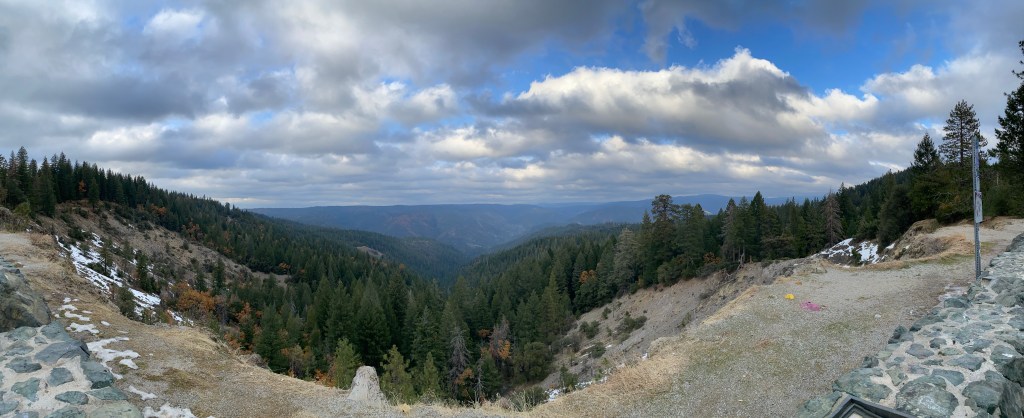
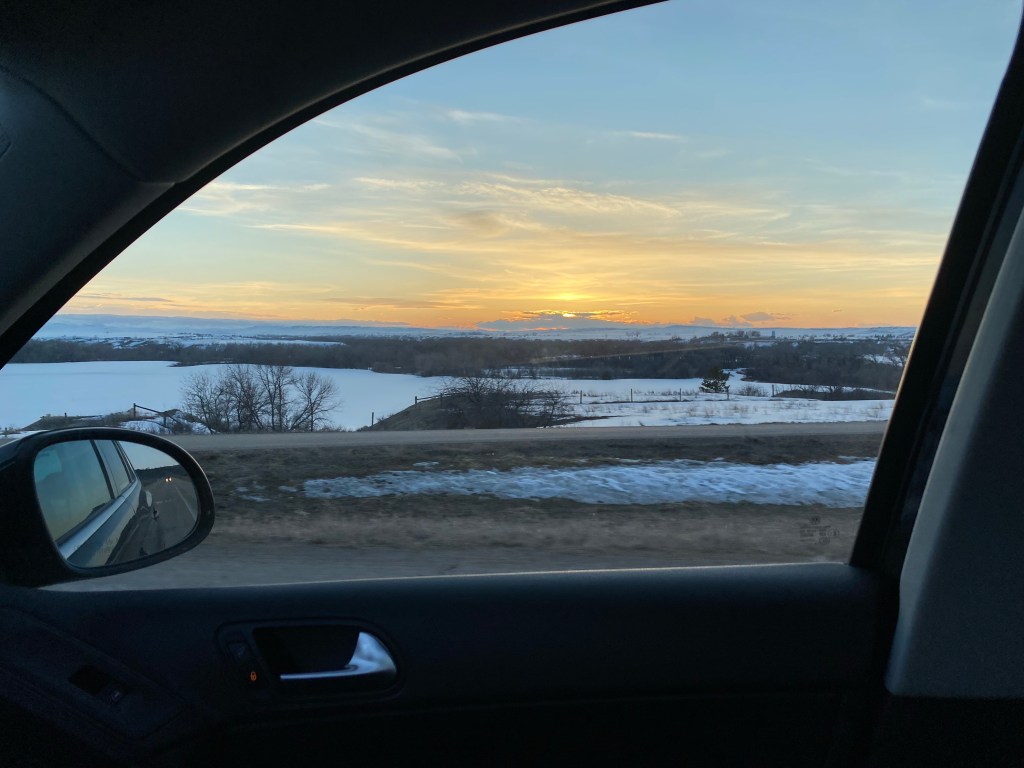
25. Enjoy, enjoy, enjoy the journey. When you see a sign that says “Wild Horses Monument, next exit,” put on your turn signal. When you hear a great song on the radio, sing along even if you’re tone-deaf. When you’re alone in the middle of a landscape in Montana or Utah so beautiful your heart is aching, get out and take that selfie or panoramic shot. When you see something unusual you want to get a closer look at, don’t second-guess yourself. Flip that U-turn and do it. On balance you will only lose minutes, and 99% of the time it’s worth the photo, experience, or mental snapshot. When something you see reminds you of someone who isn’t there, take a moment and tell them, whether on the phone because they’re still alive or in the silence of your heart because they have gone on to the next place. Capture the journey in your mind’s eye, and remember it.
Happy (and safe) road tripping!
 Collecting Postcards
Awesome tips! Thanks for sharing!!
LikeLiked by 1 person