
I’m pausing my recounting of our January R&R travelogues to share an update—and a few reflections—on my recovery from my truck vs. pedestrian accident last November. Although it occurred three-and-a-half months (15 weeks) ago, the importance of rehabilitating my injuries during the remainder of my tour in Burma still looms large.
As I have written about extensively, in mid-November I was hit by a truck while crossing the street in front of our house. I then was medically evacuated and spent over a month convalescing in a Bangkok hospital.
It turned out my pelvis was broken in three places. I also had whiplash, two cracked ribs, a broken toe, a lung contusion, extensive road rash, and bilateral concussion (from the left side of my head impacting and breaking the truck’s windshield, and the right side of my head impacting the street).
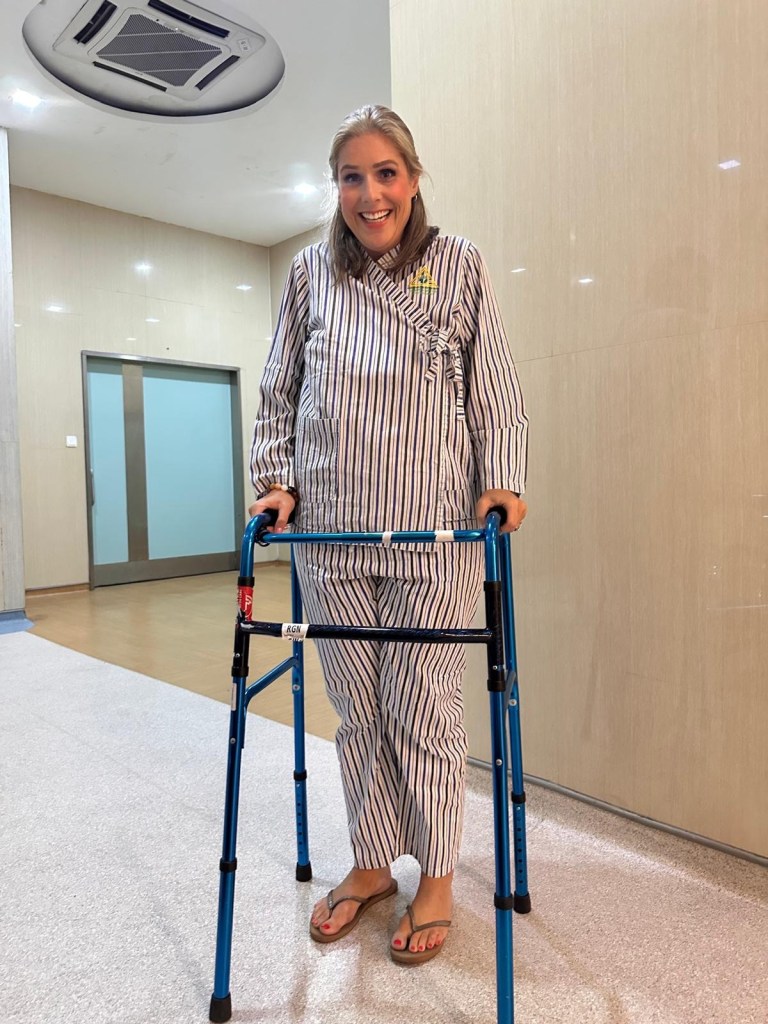
At the six-week mark, I was released from the hospital and then returned home to life in Burma. I replaced the crutches with my walker. I said goodbye to 2025 and continued working to rebuild my mobility and strength.
Traveling to Singapore, Vietnam, and Indonesia in January required me to use a wheelchair in the airports and my walker everywhere else. At times, I leaned heavily on the walker; at other moments, I folded it in half and used it more like a cane.
At that stage of recovery, the pain was still fairly debilitating. Other than brief stretches of walking indoors without the walker, I relied on it almost everywhere; without it, I limped significantly. The underlying issue was dysfunction in my left leg, particularly rotational instability when my weight shifted onto the injured side as I lifted my right foot. That moment of transition—so automatic under normal circumstances—required careful management and support.
Continuing to use the walker was not a setback. On the contrary, it was a deliberate and necessary part of healing. The mobility aid allowed me to protect the injury while steadily rebuilding strength and maintaining the partial weight-bearing that promotes bone repair. Rather than signaling weakness, it represented patience, discipline, and a commitment to long-term recovery over short-term impatience.
By the time I ended my travels during the first week of February and returned to Burma from Indonesia, it was time for my next set of x-rays. I dutifully reported to a local private hospital in Rangoon and laid on the hard table as the radiologist rotated my ankles into position.
Then on February 5, just a couple of days shy of 12 weeks post-accident, I received glorious news from the trauma doctor in Bangkok who had overseen my medevac hospitalization. Based on my x-rays from a few days beforehand, my pelvic fractures had fused enough to allow full weight-bearing, at last.
I was ecstatic. It was great to see his smiling face on the telehealth appointment screen and hear him say that he would “allow me” to walk normally from now on. How much I’d hoped to hear those words, and for how long! It meant that I was less and less likely to have a setback. It meant that I was truly healing.
The doctor recommended I walk with a cane for two weeks, and take exercise slowly to start. So naturally, two days later, I took my cane and walked at an embassy-sponsored race.
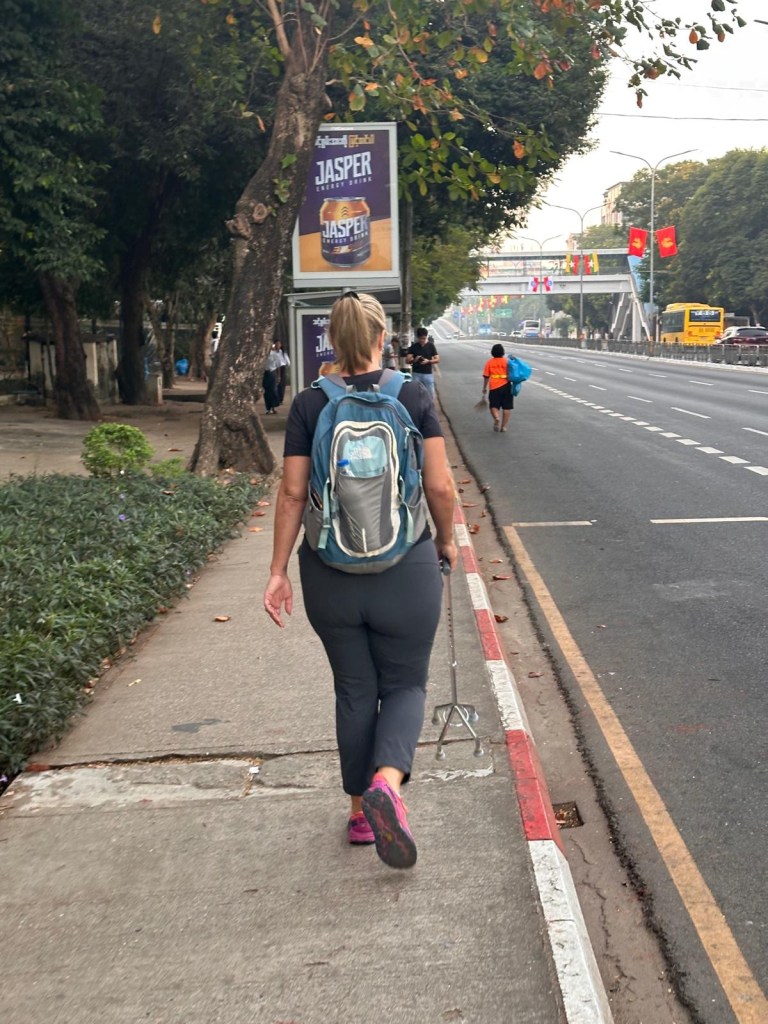
Options were to walk or run either a 4K or a 10K. A handful of weeks before, I had been bedridden and unable to even walk all the way around the ward floor where my hospital room was located. But on race day, I walked 4 kilometers (around 2.5 miles). It was tough, and I had to go swimming the rest of the day to get some relief afterwards, but I didn’t give up.
Since that time, I’ve been back in the gym on a regular basis—starting with upper-body lifting only, then adding 15 minutes on the elliptical. I gradually built up to 30 minutes, then surpassed the 45-minute milestone and returned to a full hour, which was my normal routine before the accident. I’m now in the process of rediscovering the outer edges of my abilities and re-establishing my baseline.
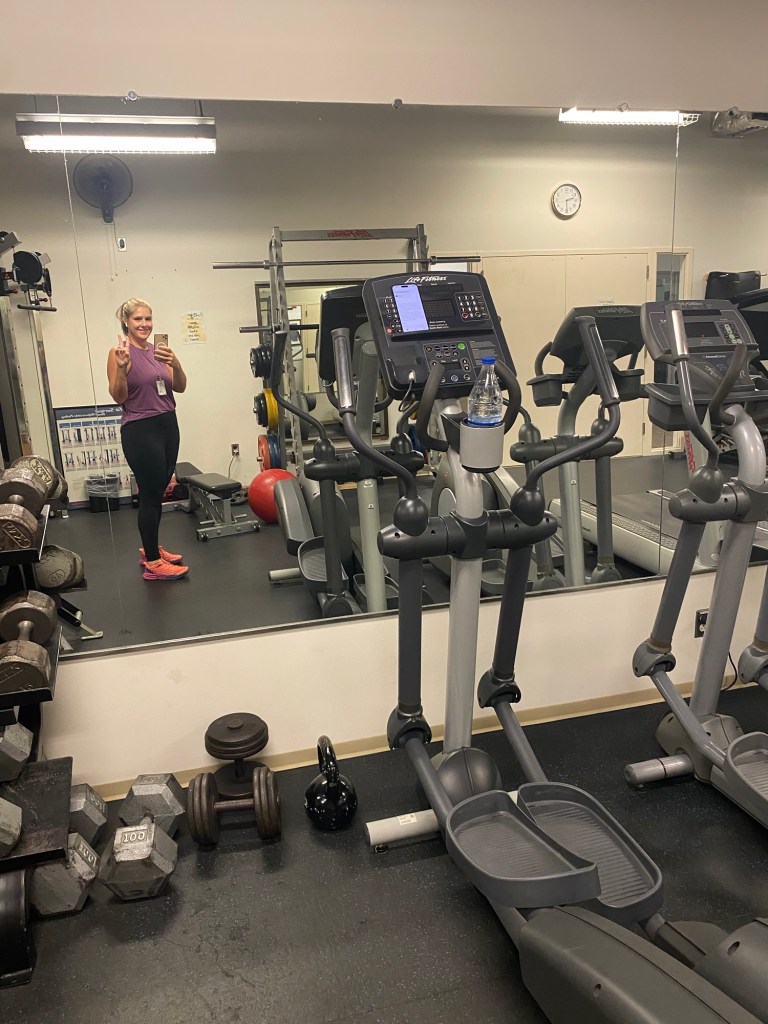
All in all, the progress has been remarkable. From early on, I had the sense that I was ahead of schedule—stronger and more capable than initially expected. The Embassy local staff guards who were first responders to my accident began greeting me with double thumbs-up when they saw me walking without my walker—a small but deeply meaningful acknowledgment of how far I had come and the encouragement I continue to receive.
The challenges and limitations have not disappeared, and I am still not pain-free. There are days when I limp, or when I acutely feel the lingering effects of a pelvic ring injury. When I walk for too long, especially on uneven ground, it feels like someone is stabbing me behind the groin. Recovery has not been linear, and my body continues to remind me of what it endured.
But walking independently again—on my own two feet—has been a profound milestone. It is a gift I will never take for granted.
 Collecting Postcards
1 comment for “On My Own Two Feet”