
Our second weekend in Rangoon, we attended a cooking class sponsored by the embassy’s Community Liaison Office (CLO) at a local organic farm. We were excited for a chance to learn how to cook Nangyithoke, a Burmese chicken thick noodle salad which originated in Mandalay.
The CLO warned us to bring insect repellant — and for good reason, as it turned out; the farm hosts its cooking classes in a beautiful outdoor kitchen.
I sensed right away that Kokkoya Organics was a special place. As the embassy van crawled through the narrow, unpaved roads leading toward it, it was hard to believe a farm could exist in that part of Rangoon at all.
The dirt roads sat half-flooded after the latest rains, with ruts and puddles stretching across their surfaces. Lining both sides, small shops and makeshift vendor stalls pressed close together, a cacophony of goods spilling out toward the street amid the steady noise of traffic, scooters, and people calling back and forth to each other.
Pedestrians picked their way gingerly through the mud in rubber sandals, weaving around obstacles, laden with bags and baskets. A couple of young men rode bicycles in a manner seemingly impervious to hazard. People stood in shops, sat in plastic chairs, squatted where a sidewalk should be but wasn’t. There were so many breathtaking signs of poverty that the chatter in the van fell silent.
At some turns, our driver could barely squeeze the van through, hemmed in by parked or disabled vehicles or random kiosks on either side. The tightness of the road made me feel claustrophobic. Space — let alone cultivated, developed space — was clearly a luxury most could not afford.
Then, suddenly, the van could go no farther. We stopped. We had arrived.
And sure enough — standing in stark contrast to much of what we’d seen on the ride over, there was a little oasis of a farm there.
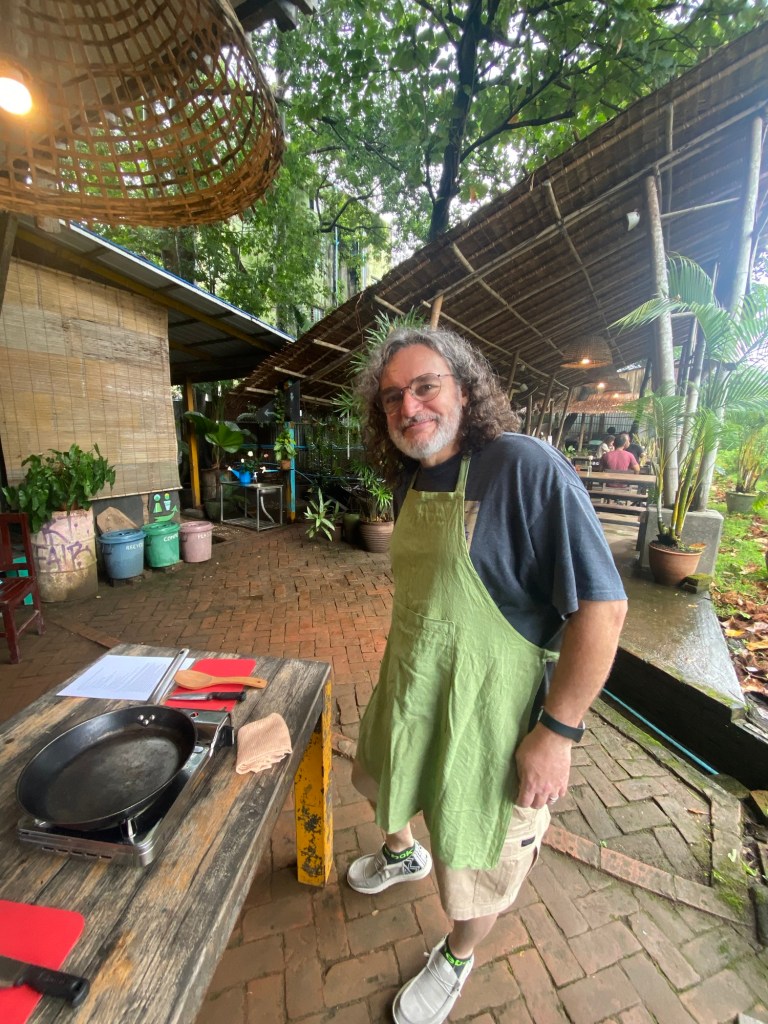
Started in 2017 by young farmers who wanted to grow organic food in an urban, cooperative environment, Kokkoya has been delivering sustainably-grown produce to their customers ever since.
I was astonished at the feeling of pure optimism and community there — it is difficult to put into words, but it felt tangible somehow. And that just by being there, you were automatically part of it.

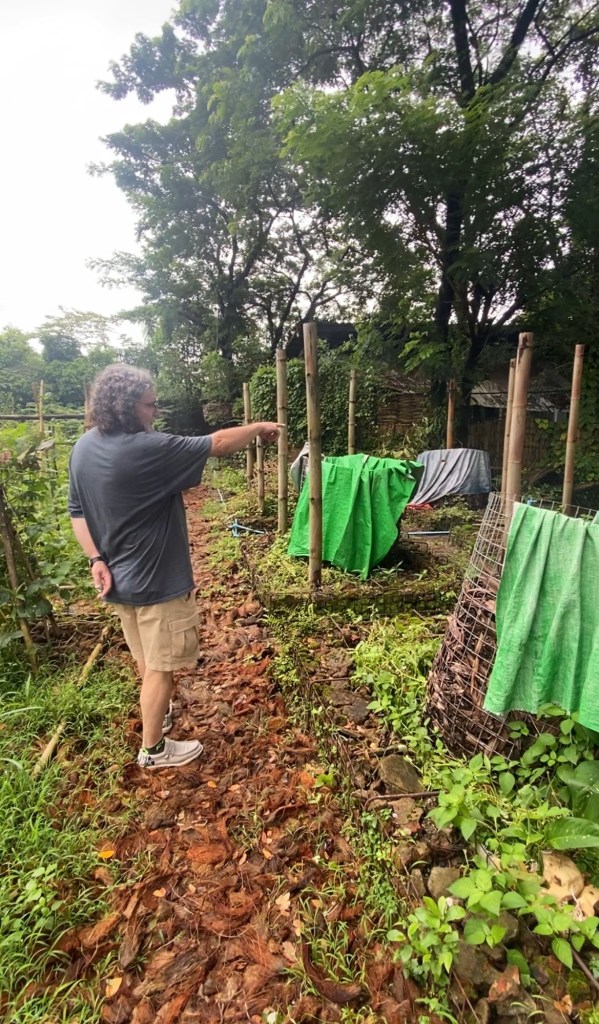
As I understood it, Kokkoya’s no-dig farming avoids plowing the soil, instead building fertile beds by layering organic matter like compost and mulch to preserve soil structure, protect beneficial organisms, and reduce weeds.
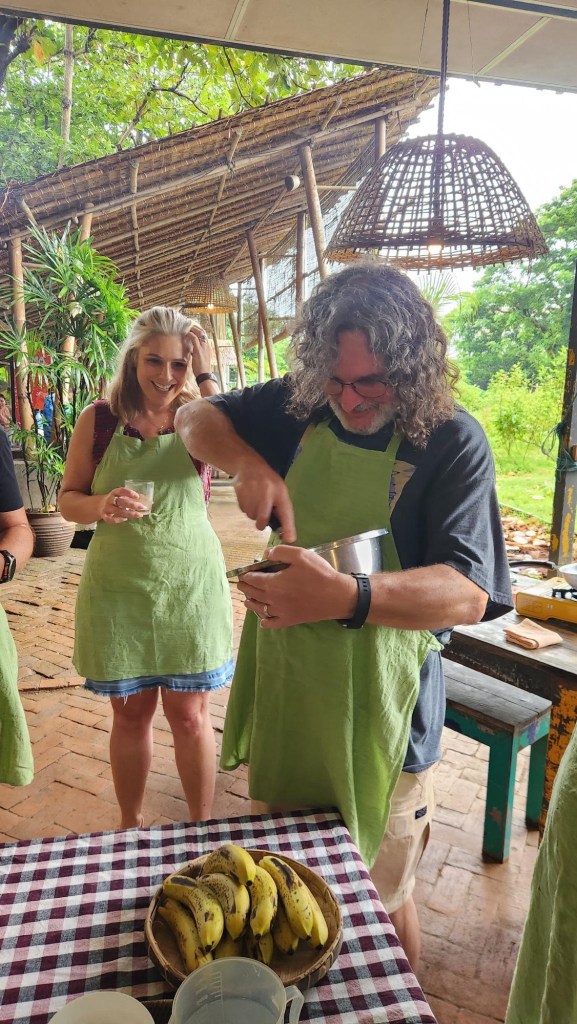
Over the years, Kokkoya has moved locations, scaled up their composting operation, and added on a cafe with espresso drinks and pizza offerings. The farm also now features a store, and sometimes hosts afternoon teas and farm-to-brewery events. But they have stayed true to their no-dig, biointensive farming and gardening philosophies.
Biointensive farming focuses on maximizing yields in small spaces by using close plant spacing, companion planting, and compost-enriched soils. Importantly, it also emphasizes sustainability by recycling nutrients, conserving water, and increasing soil fertility over time.
You can read more about the farm’s history and origin story here: Story – Kokkoya Organics
The eight of us in the class were each given a green apron, two recipes, a wok-style pan, a cutting board, and a knife. We compared our knives and joked about the varying sharpness and our own cooking skills. At each little workstation, we also had an individual yellow tabletop gas stove powered by a butane canister tucked into a side compartment.
We watched the instructor and followed her directions to varying degrees. I chopped and browned my onions and garlic, and later added the chicken, trying not to burn anything. I shouldn’t have worried — mine was the last to come done as I joked about having joined the slow-cooking movement.

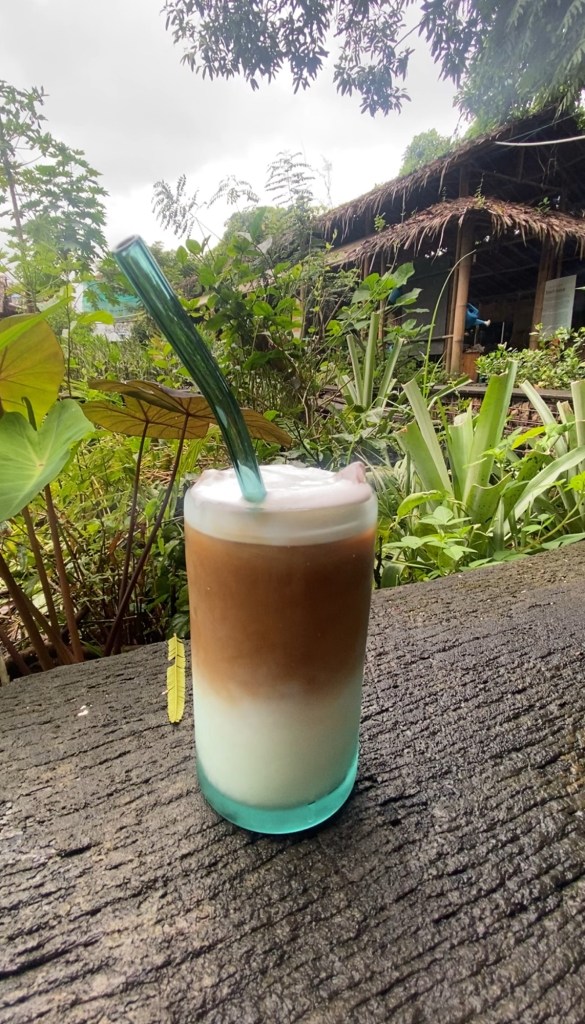
It was a fun experience with a few new colleagues, getting to know each other, drinking my first good coffee here, and wandering around the farm to check out its various features. I also picked up some muesli and dragonfruit from their small shop.
Kokkoya is a place we will certainly visit again during our time in Burma, and I look forward to joining the list of their co-op customers who receive a weekly produce delivery box.
🍜 Nan Gyi Thoke (Burmese Chicken Thick Noodle Salad)
Servings: 4
Ingredients
For the base gravy paste:
2 shallots, roughly chopped
3–5 cloves garlic
2 tbsp paprika (fine ground)
½ tsp turmeric
2 chicken thighs, diced into bite-size pieces (marinate with salt, pepper, fish sauce, and paprika powder for 15 minutes)
¾ cup cooking oil (as needed)
For the salad (thoke):
400 g round rice noodles (Nan Gyi)
4 tbsp roasted chickpea powder
2 shallots, thinly sliced
1 bunch fresh coriander, roughly chopped
3 tbsp lime juice
2 tbsp fish sauce, to taste (or soy sauce for vegetarian option)
2 hard-boiled eggs (optional, for topping)
2 fish cakes (optional, for topping)
Method
1. Prepare noodles: If using dried noodles, cook according to package directions until just al dente. Drain, rinse in cold water, and set aside.
2. Make the paste: Blend shallots, garlic, and paprika to form a smooth paste (or pound/chop finely by hand).
3. Cook the base: Heat oil in a pan until hot. Add the paste — it should sizzle. Fry over medium-high heat, stirring until fragrant and the raw onion smell is gone.
4. Add turmeric, then the chicken thighs. Cook until lightly browned. Add a splash of water, season with salt, and simmer 5–10 minutes until the chicken is just cooked. Remove from heat and let cool slightly.
5. Assemble the salad: In a large bowl, combine noodles, the chicken base gravy, fish sauce, lime juice, roasted chickpea powder, and coriander. Toss well to coat evenly. Add more gravy or lime juice if too dry.
6. Serve: Portion into bowls or plates. Garnish with sliced egg or fish cake, extra coriander, lime wedges, and chili flakes if desired.
Vegetarian version: Replace chicken with fried soy or chickpea tofu.
🍌 Sunshine Banana Fritters
Servings: 4
Ingredients
½ tsp baking powder
3 tbsp sugar
1 cup rice flour
2 tsp salt
2 tsp baking powder (for frying batter)
3 ripe bananas (mashed or cut into bite-size pieces)
1 cup shredded or dehydrated coconut (optional)
3 tbsp lime curd
3 tbsp roasted sesame seeds
Method
1. In a mixing bowl, combine coconut, sugar, rice flour, salt, baking powder, and sesame seeds.
2. Add mashed bananas and stir to form a thick batter. Rest for 15–30 minutes.
3. Fold in banana pieces, making sure they’re evenly coated.
4. Heat oil in a deep pan until moderately hot. Drop in spoonfuls of batter.
5. Fry until golden brown, turning as needed.
6. Serve warm with lime curd for a tangy contrast, or dust with icing sugar.
 Collecting Postcards